

-
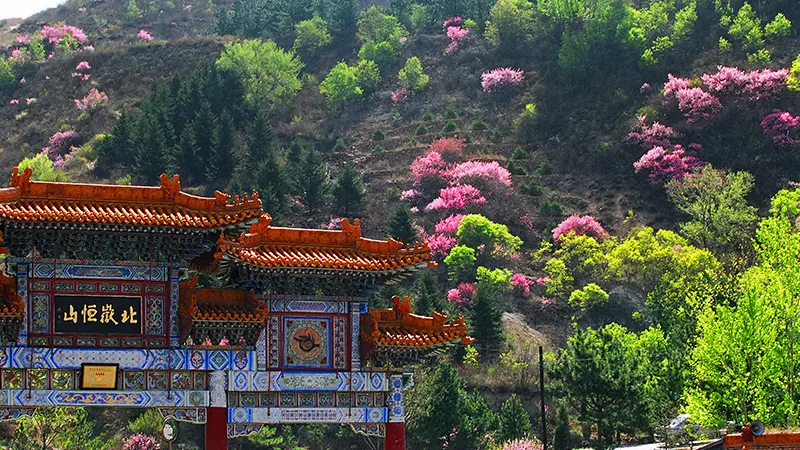
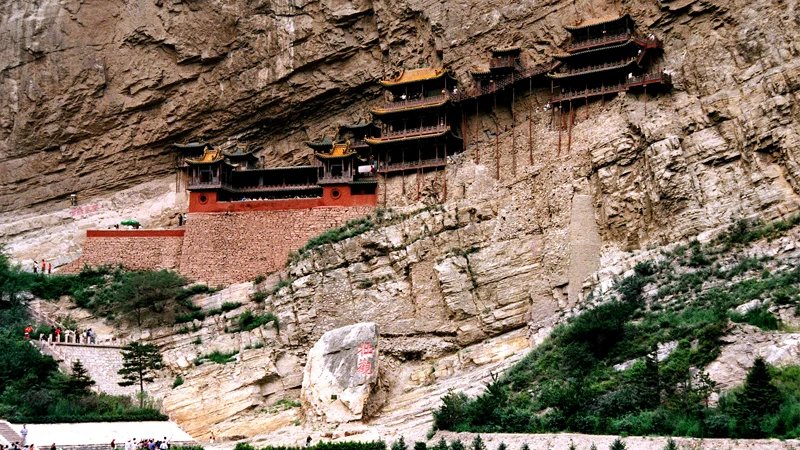
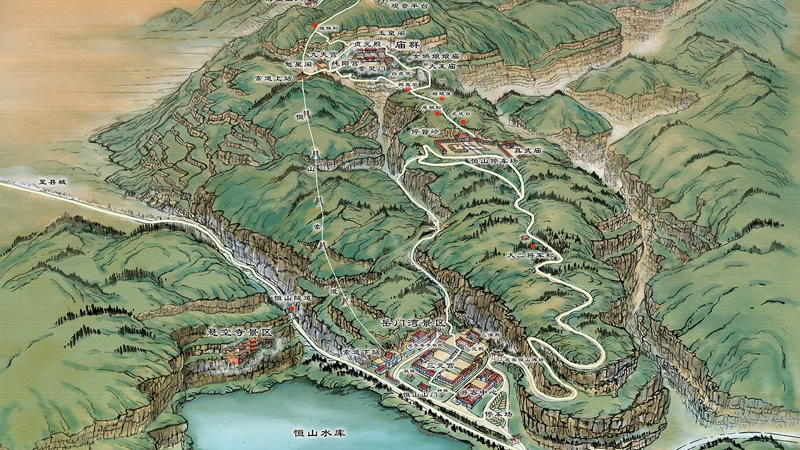
AboutMount Heng, an outstanding representative of the splendid mountains and rivers of China, a symbol of national prosperity, a totem of national spirit, an important geographical indication of the country, and holds the status of a national mountain.More
-
CultureHengshan has been a famous scenic spot and important birthplace of Taoism in northern China since ancient times. Carrying the symbols of Chinese civilization, it has nurtured profound regional culture and folk customs.More
-
-
Tourist GuideUnderstand relevant information about the scenic area and enjoy a better travel experience.More
-
Surrounding activitiesThe ancient city of Hunyuan at the foot of Mount Heng in Beiyue has a long history, rich cultural heritage, beautiful scenery, and a convergence of agriculture, commerce, and animal husbandry. It has nurtured a unique regional culture and is renowned for its fine wine and delicious food.More
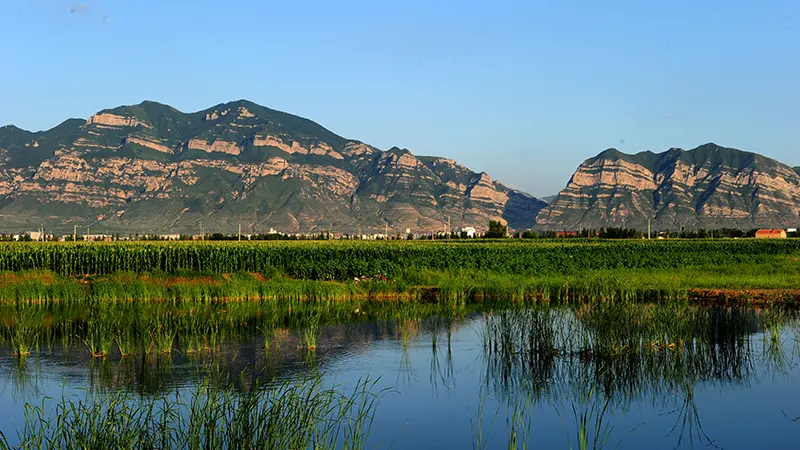

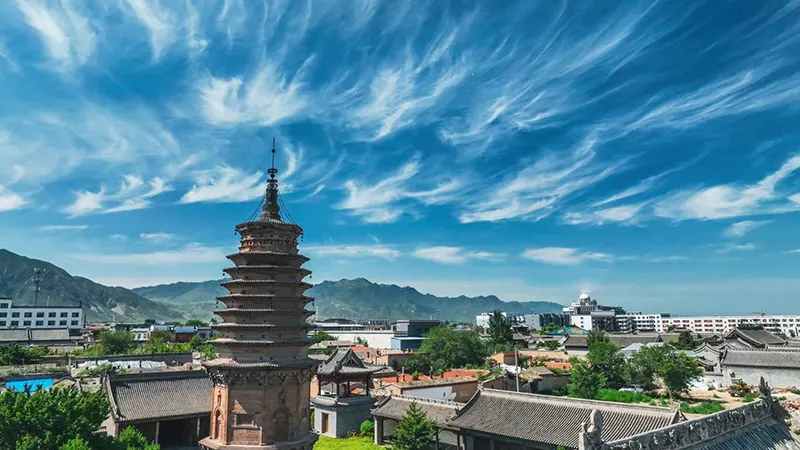
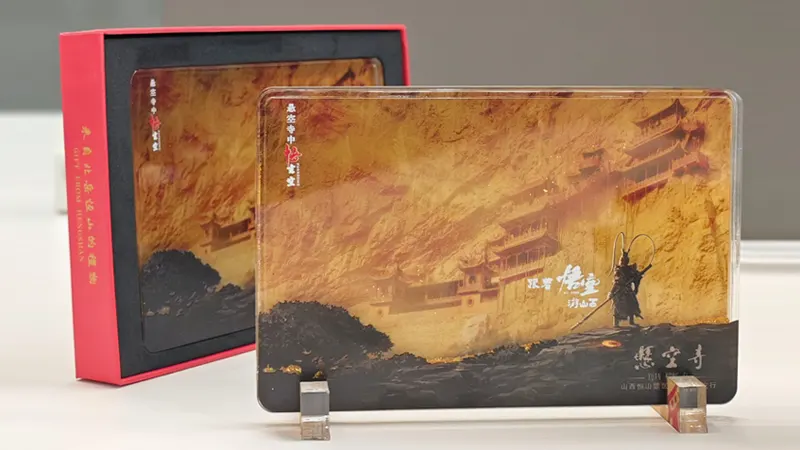
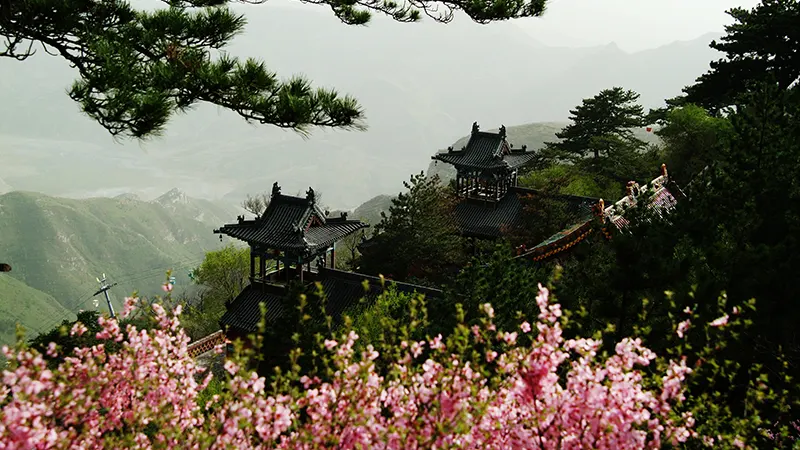
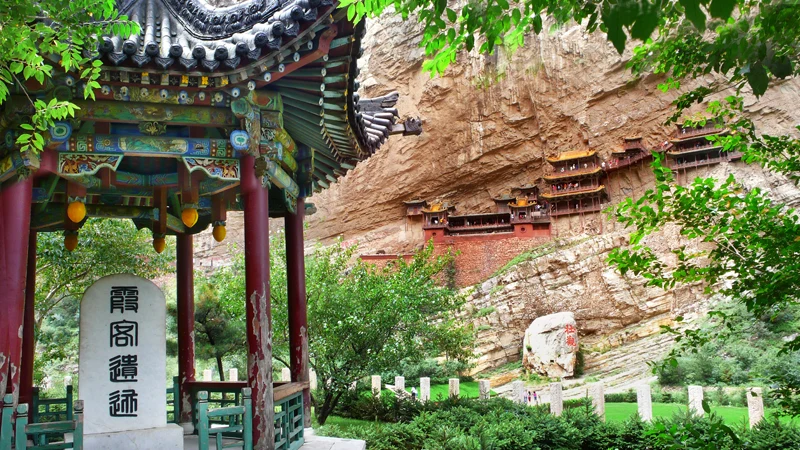
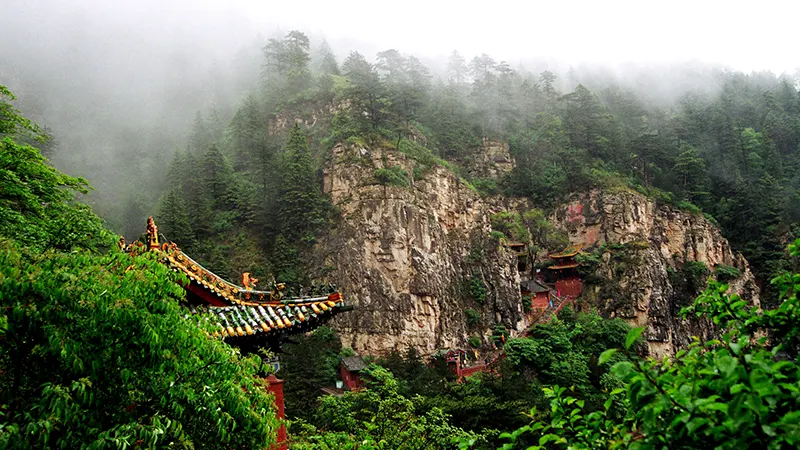
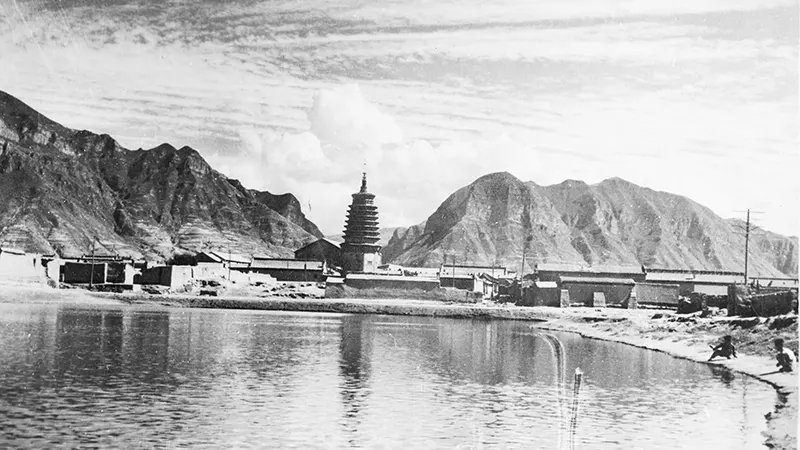
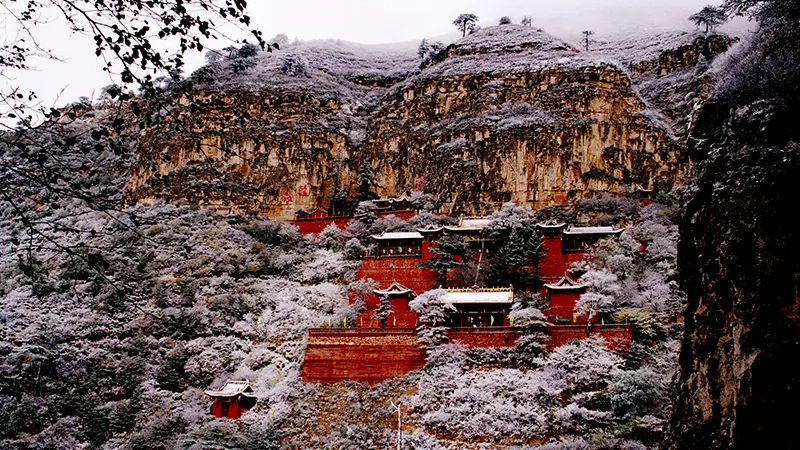






Promote traditional culture and carry forward Chinese civilization.
The Hunyuan Confucian Temple was first constructed during the Liao Dynasty and reached its zenith under the Jin Dynasty, boasting a history of more than a thousand years. It is an imposing complex of ancient buildings characterized by its grand scale and well-preserved architectural layout. Covering an area of 15,500 square meters, it served as a sacred site for feudal rulers to promote the orthodox Confucian doctrine, while also functioning as a center for cultivating outstanding talents and honoring the sages of the past. Since its construction in the Liao period, the temple has undergone major renovations in the eighth year of the Chenghua reign of the Ming Dynasty (1472), the fourth year of the Hongzhi reign (1491), and most recently in 2009. In May 2013, it was designated by the State Council as a National Key Cultural Relics Protection Unit in the seventh batch. The entire complex is laid out in four successive courtyards along the central axis, from south to north: the Pan Bridge, the Jimen Gate, the Dacheng Hall, the Minglun Hall, the Jingyi Pavilion, and the Zunjing Pavilion. On the eastern side are additional structures such as the Wenchang Pavilion, the Chongsheng Shrine, the Famous Officials Shrine, and the Local Worthies Shrine.


Category:
Scenic Spot Display
Keywords:
Previous Page
Next Page
Contact Us
Beiyue Hengshan Scenic Area:
Travel Inquiry:+86-352-8333077
Ticket Inquiry:+86-352-8333031
Travel Complaints:+86-352-8333081
Emergency Rescue:+86-352-8333037
Scenic Area Product After-Sales Service Hotline:
+86-18636203837
+86-15383522518
Mount Hengshan Scenic Area Administration Center (Official)
+86-352-8322142
Hanging Temple
+86-352-8327795
Yuemenwan (Hengshan Mountain Gate)
+86-352-8480060 +86-352-8328318 +86-352-8328530
Hengzong
+86-352-8480115
Tianfeng Ridge
+86-352-8480114
Yong'an Temple
+86-352-8322390
Li's Family Cemetery
+86-352-8322381
Hengshan Cableway
+86-352-8322255
Official Media

Tiktok