

-
AboutMount Heng, an outstanding representative of the splendid mountains and rivers of China, a symbol of national prosperity, a totem of national spirit, an important geographical indication of the country, and holds the status of a national mountain.More
-
CultureHengshan has been a famous scenic spot and important birthplace of Taoism in northern China since ancient times. Carrying the symbols of Chinese civilization, it has nurtured profound regional culture and folk customs.More
-
-
Tourist GuideUnderstand relevant information about the scenic area and enjoy a better travel experience.More
-
Surrounding activitiesThe ancient city of Hunyuan at the foot of Mount Heng in Beiyue has a long history, rich cultural heritage, beautiful scenery, and a convergence of agriculture, commerce, and animal husbandry. It has nurtured a unique regional culture and is renowned for its fine wine and delicious food.More
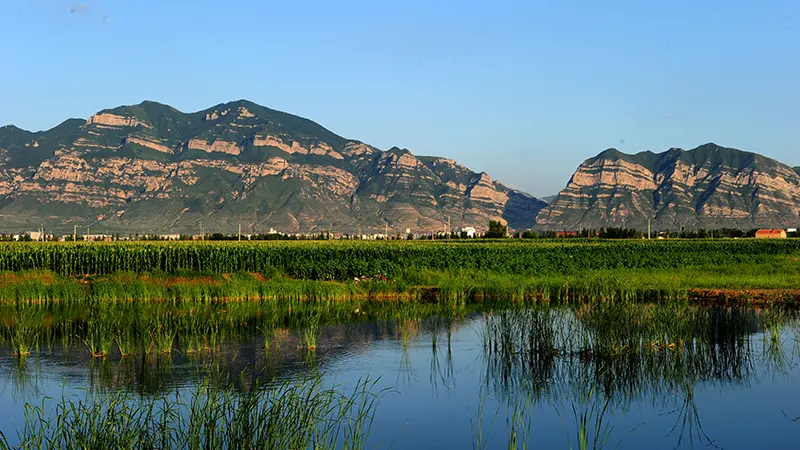

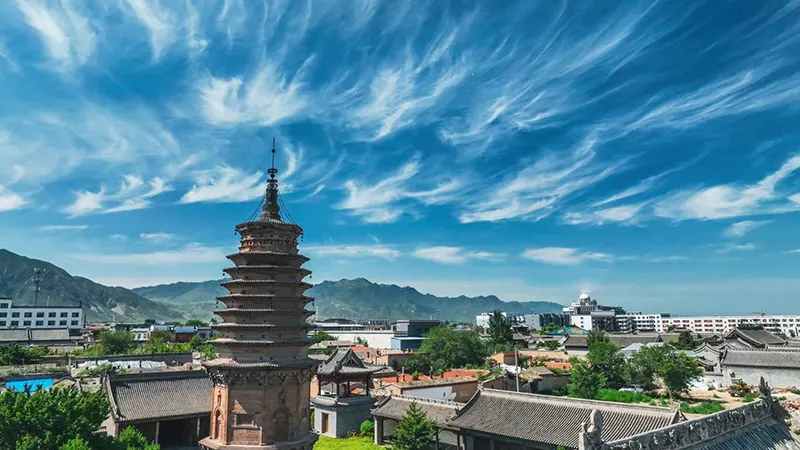
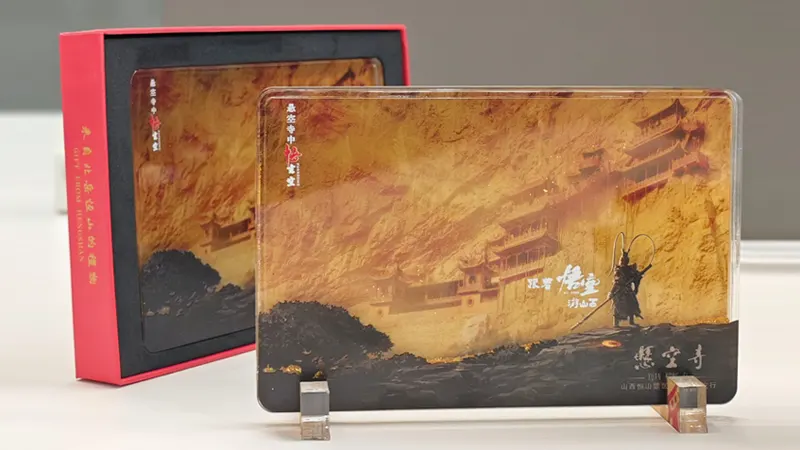
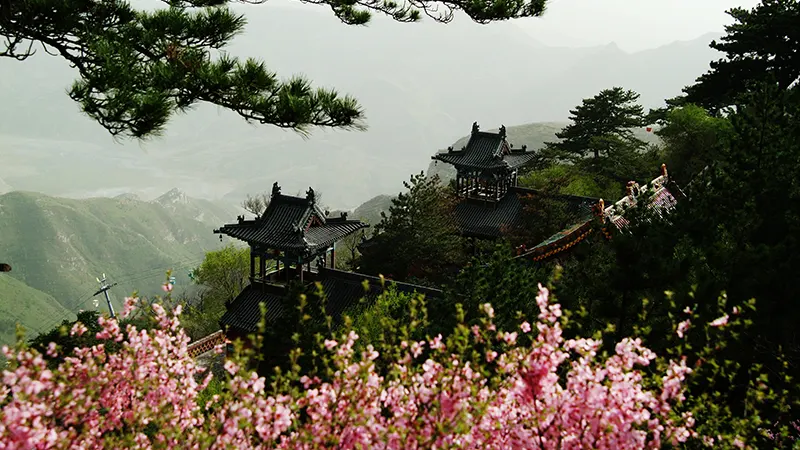







【Ancient Architecture Archives of Shanxi】Hanging Temple of Hengshan Mountain
Publish Time:
2025-06-26 17:01
Source:
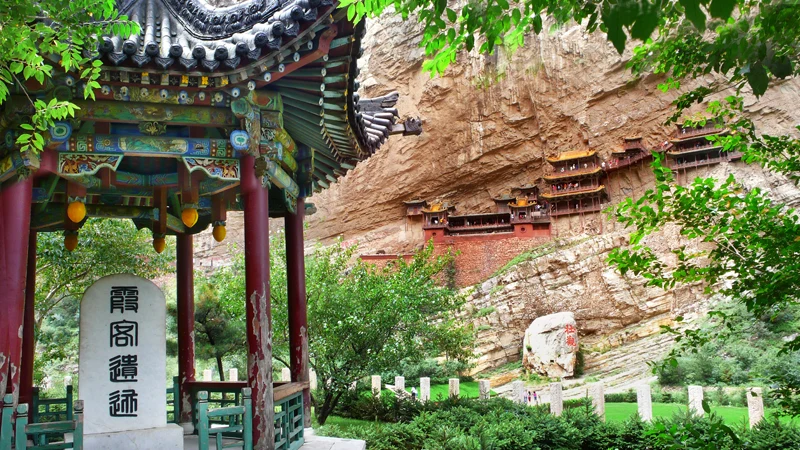
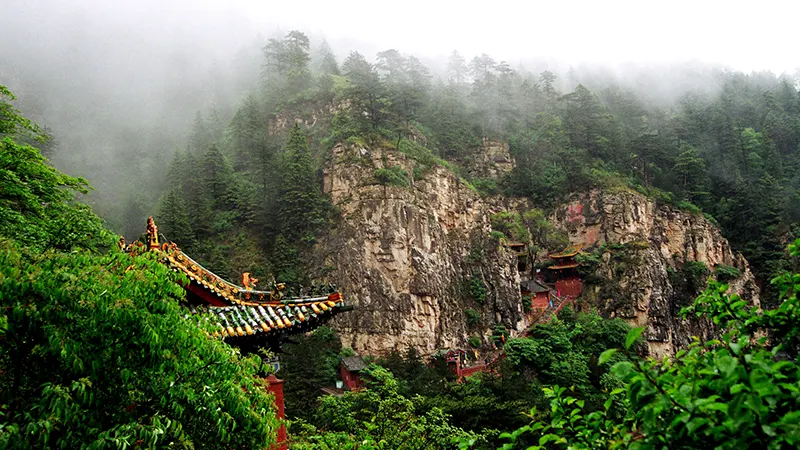
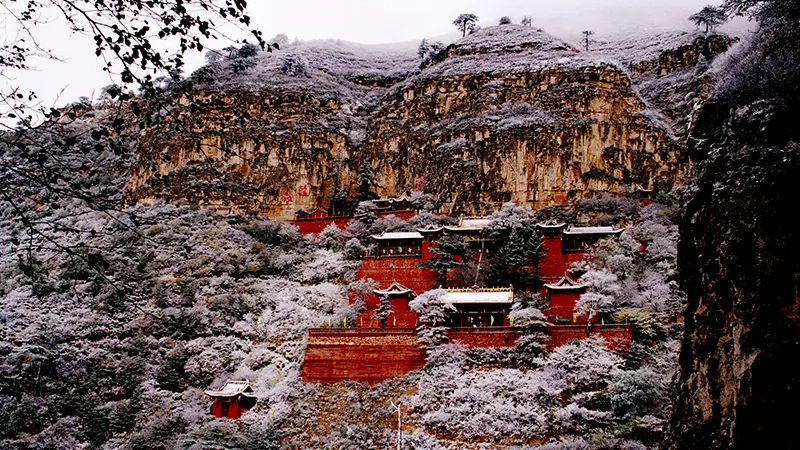
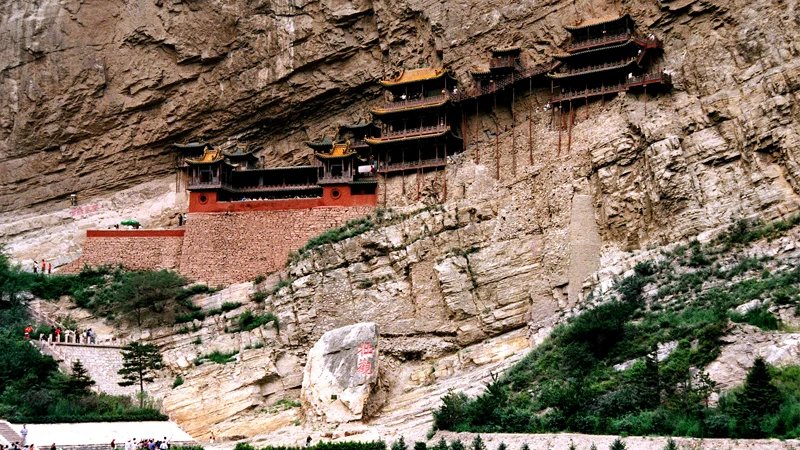
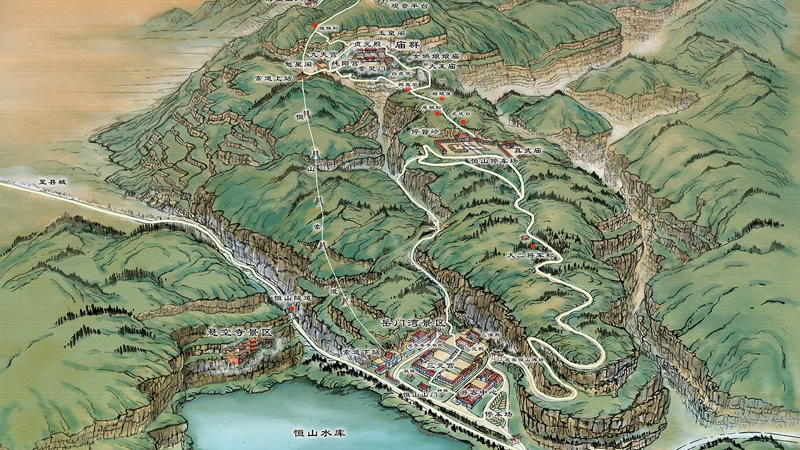
Hanging Temple of Hengshan Mountain, located 5 kilometers south of the city of Hunyuan County, Datong City, Shanxi Province, on the west bank of Tangyu River's Golden Dragon Gorge in Tangzhuangzi Village, Yong'an Town. It was initially constructed in the fifteenth year of the Taihe reign of the Northern Wei Dynasty (491 AD) and is considered the "number one scenic spot" among the eighteen scenic spots of Hengshan Mountain. The Hunyuan Prefecture Records of the Qianlong era of the Qing Dynasty describes it as follows: "The Hanging Temple is located south of the prefecture, below Hengshan Mountain in Cijiao Gorge. It hangs from a cliff over 300 zhang high, the cliff is steep and sheer, with chambers carved into the cliff face. The structure is multi-storied, with precarious stairs and narrow steps, leaning on empty space, connected by flying pavilions. It overlooks the world below, and is the number one scenic spot of Hengshan Mountain."
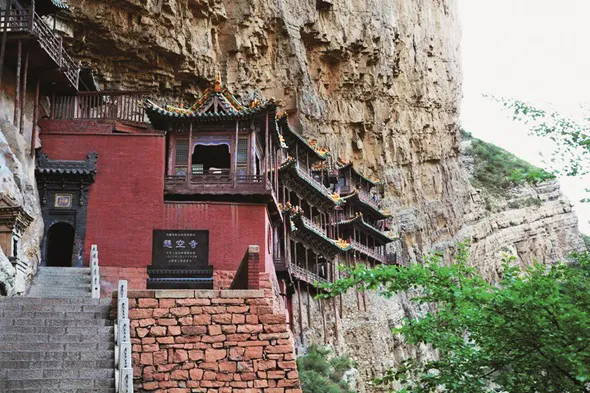
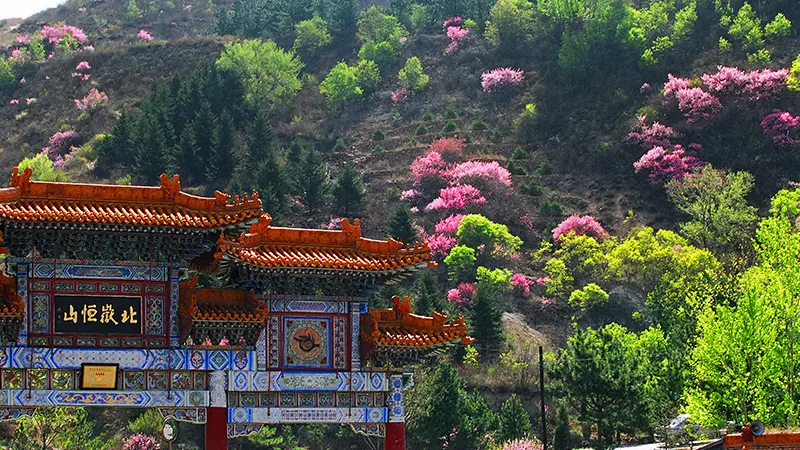
▲Entrance to the Hanging Temple
The Hanging Temple is perched precariously on a cliff, overlooking a deep valley. It is partially supported by flying beams, cleverly using the rocks for support. The layout is irregular and well-proportioned, with flying walkways and hidden passages connecting the various structures. On a base of only 152.5 square meters, it houses more than 40 halls and pavilions of various sizes. It is the only existing temple in China that uniquely combines Buddhism, Taoism, and Confucianism. From afar, the Hanging Temple looks like an exquisite wooden carving hanging from a thousand-foot-high cliff. The highest point is more than 80 meters above the ground. It has withstood thousands of years of wind and rain and hundreds of earthquakes, a testament to its ingenious design and imaginative conception. It perfectly combines architecture, religion, aesthetics, mechanics, and philosophy. The Hanging Temple was declared a provincial cultural relic protection unit by the Shanxi Provincial People's Government in 1957; in 1982, it was declared a second-batch national key cultural relic protection unit by the State Council; and in December 2010, it was listed among the "Top Ten Most Dangerous Buildings in the World" by Time magazine, alongside internationally renowned structures such as the Leaning Tower of Pisa, the Capital Gate in the UAE, and the Gate of Europe in Spain.
History and Culture
The Hanging Temple was originally named Xuan Kong Ge (玄空閣), a name derived from the Taoist concept of Xuan (玄, mystery), the Buddhist concept of Kong (空, emptiness), and the appearance of the building as a pavilion. Because the temple seems to hang in mid-air on the west side of the Cui Ping Peak cliff, and "Xuan" (懸) is a homophone of "Xuan" (玄), it is also known as the Hanging Temple. Its construction began in the Northern Wei Dynasty, and it has a history of more than 1500 years. In the first year of the Tianxing reign of the Northern Wei Dynasty (398 AD), Emperor Tuoba Gui moved the capital to Pingcheng (present-day Datong City, Shanxi Province) and built palaces, ancestral temples, and shrines. Before his death, the Celestial Master Kou Qianzhi (365-448 AD) left instructions to build an aerial temple to "extend to the heavens above and cut off the mundane world below." The Celestial Master's disciples carefully selected the location and design, raised funds, and cleverly incorporated the idea of the confluence of the three religions into a single aerial temple, placing the Three Religions Hall at the highest point of the temple, with the three religious leaders residing together in harmony, reflecting a vision of world unity. According to the "Book of Wei, Records, Volume 20," the construction of the Hanging Temple also received an imperial edict from Emperor Xiaowen Yuanhong, and was relocated from the Chongxu Taoist Temple in Datong City: "In the past, within the capital city, dwellings were scarce. Now houses are densely packed, and people and gods are crowded together, which is not conducive to the pursuit of the highest principles and the reverence of the divine way. It should be moved to the south of the capital, to the shade of the Sanggan River and the sunny side of Mount Yue, where it should be permanently located, with fifty households provided to support its offerings and sacrifices, and it should be renamed Chongxu Temple." The shade of the Sanggan River and the sunny side of Mount Yue is precisely the location of the Hanging Temple. However, some experts believe that Chongxu Temple was the predecessor of the Yingxian Wooden Pagoda. The truth remains to be further investigated.
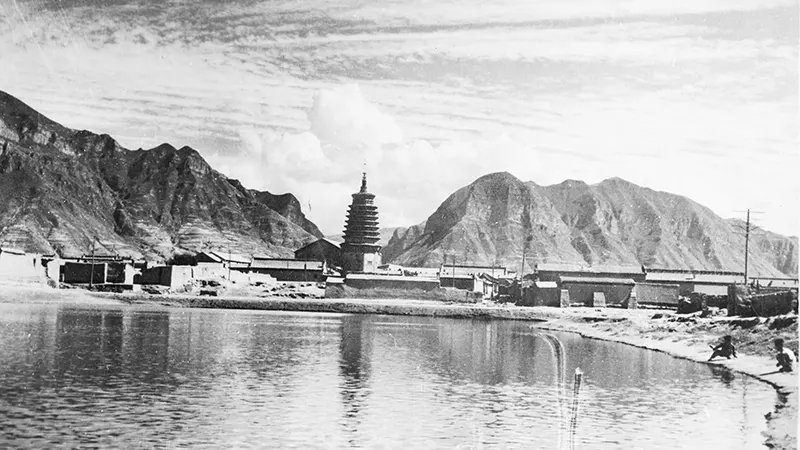
In subsequent dynasties, including the Tang, Jin, Ming, and Qing dynasties, the Hanging Temple underwent renovations. The existing buildings are from renovations during the Ming and Qing dynasties. After the founding of the People's Republic of China, the temple was protected and managed by monks, and the buildings have been largely preserved in their original state, maintaining the layout after renovations in the eighteenth year of the Dading reign of the Jin Dynasty (1178 AD). In the spring of 1973, weathered rocks above the Hanging Temple fell, destroying the structure above the eaves of the temple's drum tower. Some of the building components were disjointed, broken, and the wooden components of the walkway connecting the north and south buildings were split, the cantilever beams were rotten, and the situation was extremely dangerous. In March 1975, the State Administration of Cultural Heritage and the Shanxi Provincial Cultural Relics Bureau organized experts to conduct on-site inspections and surveys of the Hanging Temple and developed a repair plan to restore the drum tower and walkway. In the summer of 1978, the Provincial Cultural Relics Bureau allocated special funds to replace the wooden walkway connecting the north and south buildings and the supporting pillars below, and repaired most of the stairs, corridors, and floors inside the temple. In 1978, a county cultural relics management office was established to strengthen the protection and management of the Hanging Temple. The following year, the Provincial Cultural Relics Bureau allocated 110,000 yuan to protect and restore the murals in the various halls of the Hanging Temple. After the Hanging Temple was approved as a national key cultural relic protection unit in 1982, the State Administration of Cultural Heritage allocated funds twice to use epoxy resin and other high-molecular chemical materials to spray, grout, and reinforce the weathered and dangerous rocks below the temple, and to restore them. At the same time, new stone steps were carved into the cliffside below the Hanging Temple walkway, forming a circular passage with the wooden walkway. After Luo Zhewen, the head of the expert group of the State Administration of Cultural Heritage, inspected the Hanging Temple in 1992, it was decided to restore the glazed tile roof, and the roofs of the various halls were covered with glazed tiles, making the Hanging Temple shine brightly once again. In 2007, the Hengshan Mountain Scenic Area management department, in conjunction with the application for World Heritage status, cleared the riverbed silt and comprehensively managed the environment, restoring the Hanging Temple's distance from the valley floor to 80 meters, further highlighting the "hanging" characteristic of the ancient temple. In October 2015, due to rainfall, the roof of the Hanging Temple's drum tower was again hit by falling rocks. The State Administration of Cultural Heritage immediately invested 3 million yuan to repair the "sky ditch" on the cliff above the temple, which intercepts falling rocks and drains rainwater. The ditch was expanded from its original length of nearly 300 meters and height of 0.6 meters to 600 meters long and 1.2 meters high, improving the protection standard for the Hanging Temple building.
Because Hanging Temple integrates Buddhism, Taoism, and Confucianism, with the three schools of thought merging, it reflects the unique "harmony" culture of Hengshan Mountain. Therefore, it has been cherished and repeatedly rebuilt throughout history by people from all walks of life. Scholars and writers flocked to visit. The Ming Dynasty poet Wang Zhanchu praised it: "Who carved the high mountain stone, creating a Buddhist palace in the air? A mirage-like building seems to be on the sea, a bird path disappears into the clouds." In the 23rd year of the Kaiyuan era of the Tang Dynasty (735 AD), after touring Taiyuan, the poet Li Bai ascended Hengshan Mountain and entered Jinlong Gorge. He was deeply attracted by the perilous architecture of the Hanging Temple. For some reason, this poetic immortal failed to leave behind any poems, but he personally inscribed the two characters "壮观" (magnificent) on the cliff face. To express his excitement, after writing, he added a dot within the character "士" in "壮", still feeling unsatisfied. Now, the two characters "壮观" are carved on the rock face north of the Hanging Temple, with vigorous brushstrokes and magnificent momentum, leaving people amazed. The Ming Dynasty traveler Xu Xiake wrote in his work "Xu Xiake's Travel Notes": "Halfway up the west cliff, high buildings hang in the air, curved pavilions lean sideways. Looking at it, it's like a mirage spitting out a multi-tiered building, this is the Hanging Temple. Looking up, it inspires awe, and I bravely climbed alone. Entering, there are high and low buildings, winding corridors. The cliff is steep and towering, a magnificent sight in the world, and the temple's embellishments perfectly complement it. It's built against the rock, yet not burdened by the rock, only this one. And the monks' quarters are appropriately arranged, with guest seats, meditation niches, bright windows, warm beds, within a few meters, a serene and elegant atmosphere." Zheng Xiaoxie, vice director of the National Historical and Cultural City Protection Committee and a renowned cultural relic expert, after inspecting the Hanging Temple, inscribed: "The Hanging Temple is mysterious, absolute, strange, and dangerous; one can never tire of looking at it a hundred times."
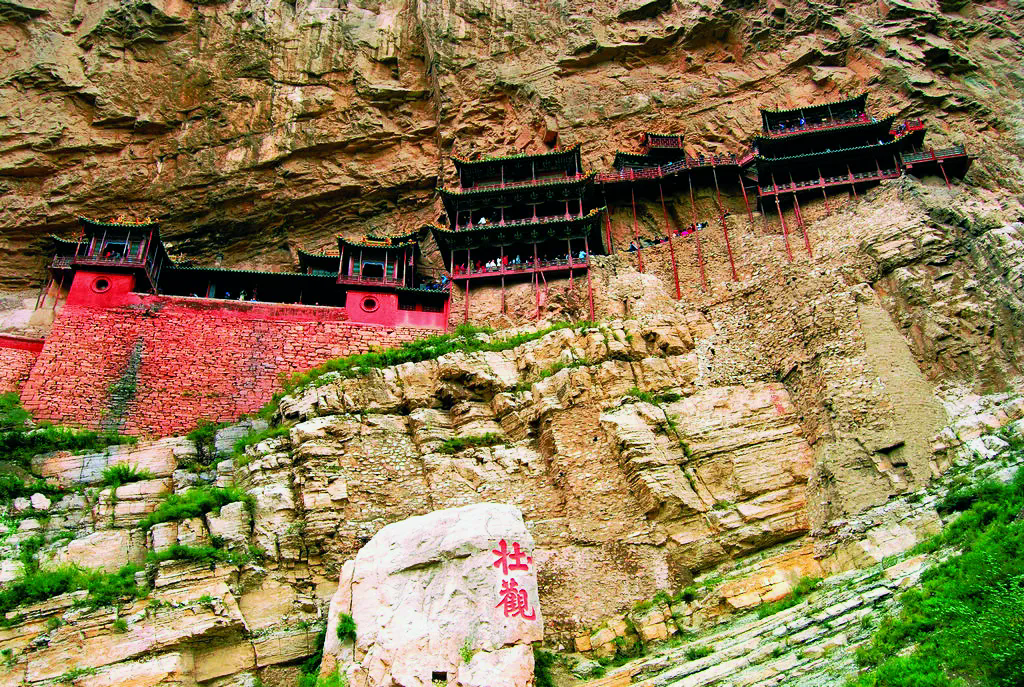
▲A distant view of the Hanging Temple
Architectural Layout
The Hanging Temple faces east and sits west. The entire temple complex covers an area of only 344 square meters, smaller than the Sanqing Hall (435 square meters) of the Yongle Palace Taoist temple, but it has more than 40 halls and pavilions, with a total construction area of 599 square meters. It has all the necessary structures of a general temple, including the temple, mountain gate, bell and drum towers, Buddha hall, Great Hero Hall, side halls, and meditation rooms. The architectural complex is laid out in a "one courtyard, two towers" arrangement, approximately 32 meters long, consisting of the temple, meditation rooms, Buddha hall, Three Buddha Hall (Great Hero Hall), Taiyi Hall, Guan Di Temple, drum tower, bell tower, Garan Hall, Sending Child Guanyin Hall, Ksitigarbha Hall, Thousand-Armed Guanyin Hall, Sakyamuni Hall, Thunder Sound Hall, Three Officials Hall, Pure Yang Palace, plank road (including Shiku Pavilion and Zhenwu Pavilion), Three Teachings Hall, and Five Buddha Hall, etc.
The temple courtyard is 10 meters long and 3 meters wide, a small and exquisite space; it can be said that "though small, it has everything." The west side of the courtyard is the main part, with the mountain gate opening to the south. It is a brick structure imitating wood, with a round arched doorway, three brick-carved bracket sets, four layers of single lower bracket sets with grasshopper-style heads, and the lintel carved with the three characters "Hanging Temple." There are dangerous buildings facing each other to the north and south, serving as both bell and drum towers and gate towers. They are one bay wide and one bay deep, square in plan, and are glazed double-eaved hipped-roof pavilion-style buildings. The second-floor west side has a door, and the east, south, and north sides have corridors. A double-eaved flat-roofed glazed tile Buddha hall is built against the cliff to the west of the courtyard. It is four bays wide and one bay deep, with an area of 45.5 square meters, a brick and wood structure with a hard-hipped roof, with the rear ends of the beams resting on the rocks and the front ends inserted into the eaves columns. Above the Buddha hall is the Three Buddha Hall, also known as the Great Hero Hall. It is five bays wide (14.8 meters), one bay deep (4 meters), and has an area of 59.2 square meters. It is built against the mountain cliff, with a front corridor, and a glazed tile single-eaved hard-hipped roof. The column heads are carved with human-faced dragon patterns. The central three bays use a clear beam method, with the brick walls between the two bays extending directly to the roof without beams. A wooden staircase is located in the southern bay, leading to the upper level, where there are the Garan Hall (8.5 square meters, single-eaved hipped roof), Sending Child Guanyin Hall (4.86 square meters, single-eaved hipped roof), Ksitigarbha Hall (8.5 square meters, single-eaved hipped roof), and Thousand-Armed Guanyin Hall (4.34 square meters, single-eaved hipped roof).
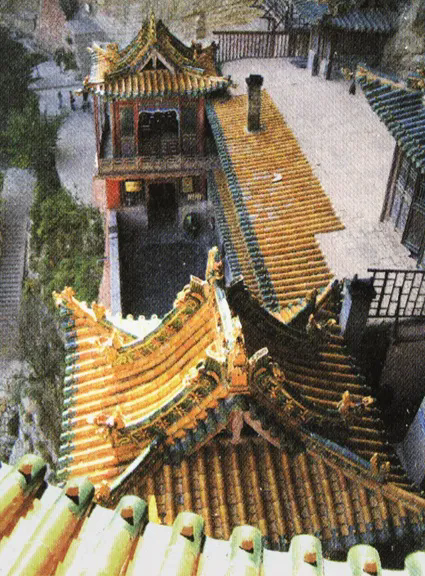
▲ Yellow glazed tiles on the roof
The two majestic three-eaved hipped-roof towers to the north and south seem to gaze at each other in the air, hanging on knife-like cliffs. Three-sided corridors embrace them, and six halls stand tall, staggered and interconnected.
The south tower is three stories high, about 8 meters long and 4 meters wide, with the Pure Yang Palace, Three Officials Hall, and Thunder Sound Hall. The first floor is the Pure Yang Palace, also known as the Lü Zu Temple, located 4.3 meters north of the bell tower. It is three bays wide and one bay deep, with an area of 20 square meters, and corridors on the east, south, and north sides. Under the eaves are four layers of double lower bracket sets, with a single-eaved hipped roof. It houses Lü Dongbin, one of the Eight Immortals of Taoism. The second floor is the Three Officials Hall, located on the roof of the Pure Yang Palace. It is three bays wide and one bay deep, with an area of 27 square meters, a single-eaved hipped-roof glazed tile building, with corridors on three sides, and a mountain cliff passage at the back. The statues inside are precious Ming Dynasty clay sculptures. The third floor is the Thunder Sound Hall, a Buddhist hall built against the cliff, the highest point of the south tower. It is three bays wide and one bay deep, with an area of 20.77 square meters, a single-eaved hipped roof, and corridors on the east and south sides. Under the eaves are single-copy double lower bracket sets with five layers of bracket sets. In Buddhism, when Buddha Sakyamuni preached the Dharma, his voice was as loud as thunder, hence the name Thunder Sound Hall.
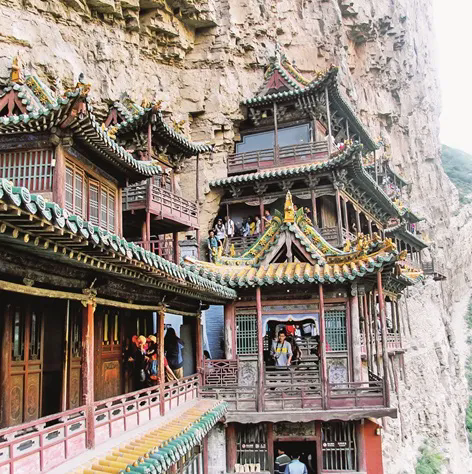
▲South Tower
The north tower is three stories high, about 7 meters long and 4 meters wide, with the Five Buddha Hall, Three Saints Hall, and Three Teachings Hall. The first floor, the Five Buddha Hall, is located 12.6 meters north of the Pure Yang Palace. It is three bays wide and one bay deep, with an area of 11.19 square meters, a front corridor, and a single-eaved hard-hipped roof. It is named after the five directional Buddhas it houses. The second floor is the Three Saints Hall, three bays wide and one bay deep, with an area of 8.34 square meters, and corridors on the east, south, and north sides. The hall's front corridor is suspended, with a central partition door and partitions on both sides, and the corner rafters are flying upwards. The third floor is the Three Teachings Hall, three bays wide and one bay deep, with an area of 8.33 square meters. It is built against the mountain and is the highest building in the entire temple. It has a single-eaved hipped roof, glazed tile roof, and corridors on three sides. Under the eaves are single-copy single lower bracket sets with four layers of bracket sets. Inside the hall are statues of Sakyamuni, the founder of Buddhism, Confucius, the founder of Confucianism, and Laozi, the founder of Taoism. The three founders are housed together in one hall, reflecting the high ideals of the harmonious coexistence of the Chinese nation and the unity of the world.
The wooden suspension bridge, also known as the long-line bridge, is about 10 meters long and less than 1 meter wide. A building is built on the bridge, a temple inside the building, and Buddha is enshrined in the temple. The long-line bridge connects the north and south buildings and combines the temple, buildings, and other landscapes, forming the unique landscape of the Hanging Temple, which is fantastic, dangerous, and ingenious. On the stone wall above the plank road, there are four large characters "Gongshu Tianqiao." Gongshu refers to the ancient architectural craftsman Luban. The plank road cleverly connects the two buildings, a true masterpiece. Two Buddhist statues carved during the Northern Wei Dynasty are preserved in the Shikuge and Zhenwu Pavilion beside the plank road, providing evidence for the construction period of the Hanging Temple.
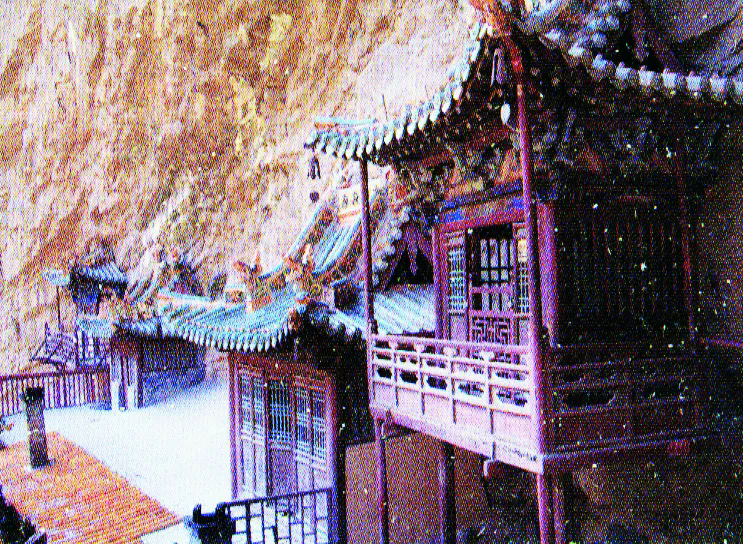
▲Thousand-Hand Guanyin Hall
Architectural Features
The Hanging Temple maximizes the development of China's ancient architectural traditions. Through the careful design of ancient craftsmen, it brings ancient architectural art and technology to the pinnacle of perfection. Its characteristics can be summarized in three words: "skillful," "dangerous," and "unique."
Skillful: This refers to heavenly skill, small skill, and exquisite skill. On the stone cliff of the Hanging Temple's plank bridge, the four characters "Gongshu Tianqiao" were carved by people in the Ming Dynasty. Heavenly skill is mainly reflected in the site selection. At the beginning of the temple's construction, the design and site selection were truly "imaginative," a major innovation in architectural history. The Cuiping Peak stands abruptly, with the cliff slightly concave. The entire temple is embedded in this cliff niche, making the most of the terrain and building halls according to the terrain, some high, some low, some large, some small, showing the primary and secondary arrangement of the halls and a strong sense of rhythm. Secondly, the small size is remarkable. Although the Hanging Temple is in mid-air, the builders cleverly three-dimensionalized the layout of the flat temple buildings. In such a narrow, precarious half-cliff, they built a mountain gate, bell and drum towers, a cross-hall, a main hall, side halls, a flower hall, and a scripture pavilion, without losing the form and scale of a general temple. The halls can be large or small depending on the cliff, and the statues can be extended or shortened according to the hall. The large ones, such as the San Guan Hall, are 6 meters wide and 4 meters deep; the smaller ones, such as the Shifo Pavilion, are less than 2 meters wide; and the smallest, the Zhenwu Pavilion, is less than 1 meter wide. In particular, between the bell and drum towers in front of the temple, there is a courtyard of more than 30 square meters, surrounded by a short wall, overlooking the valley stream and looking up at the waterfall. Although limited by the terrain, it cannot accommodate many people, but it is small without feeling cramped, and the spatial layout is quite ingenious. Thirdly, the exquisite skill is evident. The Hanging Temple has more than 40 halls of various sizes, but the total area of the building foundation is only 152 square meters, and the building area is 599 square meters. Each building is small and exquisite, like carvings and inlays, perfectly integrated. Its ingenious layout and ingenious design integrate aesthetics, mechanics, optics, and psychology. A British architect once exclaimed with infinite emotion: "China's Hanging Temple cleverly integrates aesthetics, mechanics, and religion, achieving perfection. I truly understand Picasso's saying, 'The world's true art is in the East.'"
Dangerous: This refers to the dangerous environment, dangerous structure, and dangerous atmosphere. The dangerous environment is reflected in the Jinlong Gorge under the Hanging Temple, the narrowest part of which is only a few meters wide, with towering stone walls on both sides and a line of blue sky in the middle. The dangerous structure is mainly reflected in the word "hanging." The temple is called the Hanging Temple, which is true to its name. From site selection to construction, the entire building revolves around the word "hanging," highlighting the word "hanging." The entire temple is made of wood, making full use of mechanical principles, excavating caves in the cliffs, and using half-inserted flying beams as the foundation and laying dragon bones as the ground. In particular, the two three-story buildings and the plank road connecting them are mostly suspended, based on double-layer cantilever beams fastened with two iron hoops, forming a stable cantilever structure. These two cantilever beams, inserted 1 to 1.2 meters deep into the limestone mountain and treated with special preservatives, truly bear the upper load and transmit the load to the rock wall, making the Hanging Temple a unique building that seems unreal yet real, dangerous yet safe. The dangerous atmosphere is a psychological feeling, stemming from the fact that, at the beginning of the temple's construction, the builders seemed to intentionally create a dangerous atmosphere in the site selection and design. The entire building hangs high above the cliff, with the temple gate opening on the south side near the cliff, and the stone path leading to the temple is also carved along the rock crevices, invisible from the front, giving people a feeling of having no way to heaven. Although the center of gravity of the pavilions and plank roads is on the rock wall, the more than ten wooden pillars, each no thicker than a bowl and more than ten meters long, supporting the rock wall, give people an illusion that the entire building seems to be supported by those more than ten slender wooden pillars, thus increasing the "hanging" atmosphere and making people worry about it. In fact, according to modern engineering mechanics analysis, some of these wooden pillars may bear part of the load due to the deformation of the cantilever beam, while others are completely useless, only playing a hyperstatic constraint role. The wisdom and dedication of the builders back then were truly amazing.
Unique: This refers to the unique architecture, unique religion, and the miracle of its survival for thousands of years. A high-altitude cliff temple building like the Hanging Temple, which seems to hang in mid-air yet is complete, is a unique wonder of China and an architectural marvel. Although the Hanging Temple is called a "temple," it is not purely a "temple." Instead, it is a place where Buddhism, Confucianism, and Taoism coexist, with the three religions united as one. Even the residents of the temple are both monks and Taoists, changing with the times. Such a thousand-year-old temple would generally be subject to wind and rain, and over time, it would be eroded. However, the Hanging Temple is half-hidden between the cliffs, with a huge cliff above to protect it from rain and protruding stone walls on both sides to provide shade, greatly reducing the impact of large falling rocks and direct sunlight. Whenever there is a heavy downpour, mountain torrents and waterfalls flow down from the protruding rocks at the top of the temple and fall into the valley, not only preventing rainwater from eroding the halls but also hanging a crystal curtain of water on these fairy-like buildings in the clouds and mist, which is beautiful and wonderful. When the mountain wind blows, the protruding stone walls on both sides reduce the wind speed, reducing the threat of weathering to the Hanging Temple. In addition, the towering Hengshan Mountain peak, Tianfeng Ridge, on the opposite side blocks the sun from the east, relatively shortening the sun's exposure time to the halls. Even during the summer solstice, when the sun shines the longest, the sun only shines on the Hanging Temple for three or four hours a day. Therefore, the Hanging Temple has stood for 1500 years.
Source: "Shanxi Ancient Architecture Archives (Eighth Batch of National Treasures)"
Keywords:
Related News
Contact Us
Beiyue Hengshan Scenic Area:
Travel Inquiry:+86-352-8333077
Ticket Inquiry:+86-352-8333031
Travel Complaints:+86-352-8333081
Emergency Rescue:+86-352-8333037
Scenic Area Product After-Sales Service Hotline:
+86-18636203837
+86-15383522518
Mount Hengshan Scenic Area Administration Center (Official)
+86-352-8322142
Hanging Temple
+86-352-8327795
Yuemenwan (Hengshan Mountain Gate)
+86-352-8480060 +86-352-8328318 +86-352-8328530
Hengzong
+86-352-8480115
Tianfeng Ridge
+86-352-8480114
Yong'an Temple
+86-352-8322390
Li's Family Cemetery
+86-352-8322381
Hengshan Cableway
+86-352-8322255
Official Media

Tiktok