

-
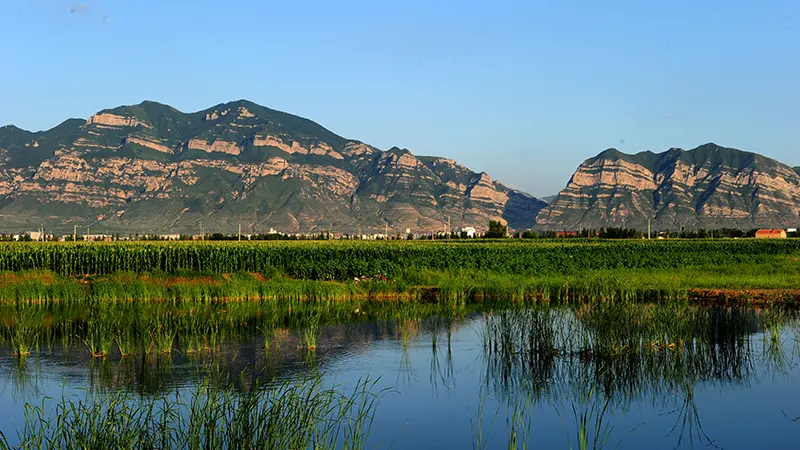
AboutMount Heng, an outstanding representative of the splendid mountains and rivers of China, a symbol of national prosperity, a totem of national spirit, an important geographical indication of the country, and holds the status of a national mountain.More
-
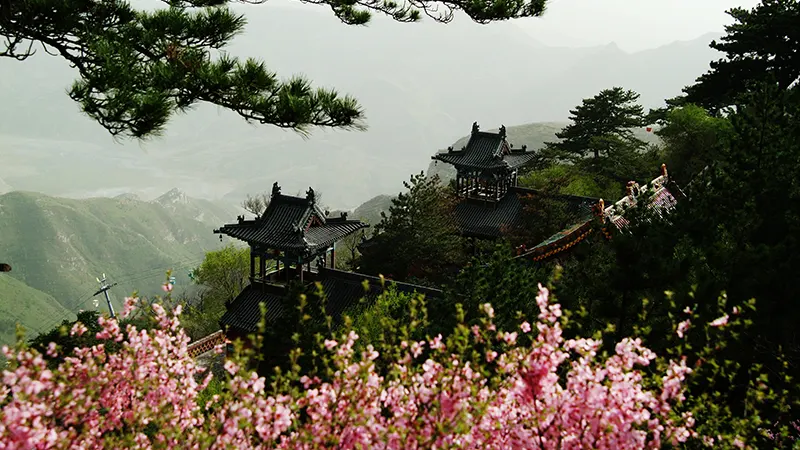
CultureHengshan has been a famous scenic spot and important birthplace of Taoism in northern China since ancient times. Carrying the symbols of Chinese civilization, it has nurtured profound regional culture and folk customs.More
-
-
Tourist GuideUnderstand relevant information about the scenic area and enjoy a better travel experience.More
-
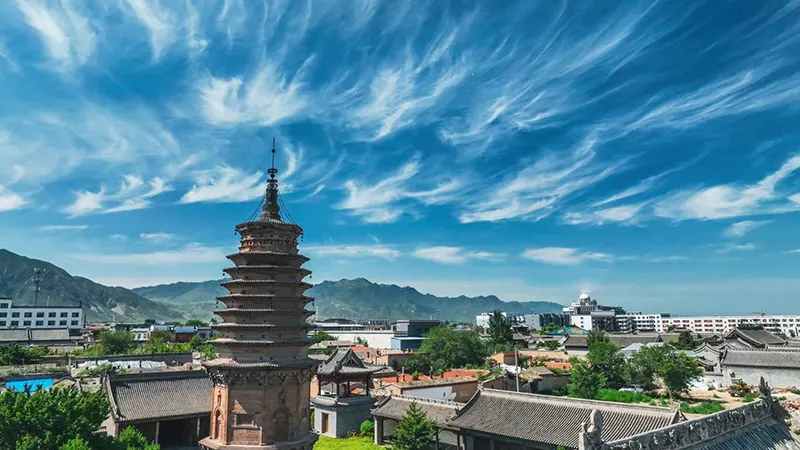
Surrounding activitiesThe ancient city of Hunyuan at the foot of Mount Heng in Beiyue has a long history, rich cultural heritage, beautiful scenery, and a convergence of agriculture, commerce, and animal husbandry. It has nurtured a unique regional culture and is renowned for its fine wine and delicious food.More








Ticket prices for various scenic spots in Hengshan Mountain
Publish Time:
2020-03-18 12:43
Source:
The naming of Hengshan Mountain has various explanations. The Zhou Li states: "To the north of Bingzhou, its mountain is called Hengshan Mountain"; Baihu Tong says: "North represents the end of Yin and the beginning of Yang, its way is enduring, therefore it is called Changshan"; Fengsu Tong says: "Eternal and constant, all things submit to the North, it is constant". Another explanation is that Hengshan Mountain's shape is horizontal, and "heng" (横) and "heng" (恒) are similar in pronunciation. Another explanation is that it is named after the Hun River, anciently called Hengshui. The Shudian calls it the Northern Mount. The Yugong calls it Taihang Hengshan Mountain. The Zhenzhong Mishu calls it Tai Hengshan Mountain, Hengzongmingyue. The Shui Jing Zhu calls it Yuan Yue, Zi Yue, and also "Damao Mountain", "Shenjian Mountain", etc. During the reign of Emperor Wen of Han, it was renamed Changshan due to the avoidance of the name Liu Heng; during the Yuanhe years of the Tang Dynasty, it was renamed Zhenyue; during the reign of Emperor Zhenzong of Song, it was renamed Changshan again due to the avoidance of the name Zhao Heng. Despite many other names, the basic names are "Hengshan Mountain" and "Changshan". Guanzi says: "Heng (恒) represents the constant way of Heaven." Therefore, "heng" (恒) and "chang" (常) both imply "enduring". Tracing back the origin of the Northern Mount, as early as the time of Yao, he appointed the four sons of Xi He to govern the four sacred mountains, Xi Zhong as the governor of the Eastern Mount, Xi Shu as the governor of the Southern Mount, He Zhong as the governor of the Western Mount, and He Shu as the governor of the Northern Mount. During the reign of Emperor Shun, he spent a year inspecting the four sacred mountains, going east to Mount Tai in February, south to Mount Heng in May, west to Mount Hua in August, and north to Hengshan Mountain in November. According to the Shangshu, Emperor Shun went north to inspect Hengshan Mountain in November of winter, and when he arrived at Quyang in Jizhou, a heavy snow blocked the mountain, preventing him from proceeding. He then paid homage to the mountain, and a huge stone flew from Hengding and landed before him. Emperor Shun enshrined this stone as the "An Wang Stone", and later generations built the "Feishi Dian" in Quyang. Since then, Hengshan Mountain has also left behind the "Feishi Remains". Although this is just a legend, the Shudian and Yugong were both written during the Qin and Han dynasties. At that time, there were "twelve famous mountains in the world, and two of them were Hengshan Mountain", showing that as early as two thousand years ago, Hengshan Mountain was known as the second mountain in the world. And Erya says: "Hengshan Mountain is the Northern Mount". In other words, as early as the Qin and Han dynasties, Hengshan Mountain was already called the Northern Mount.
Scenic Spot Tickets:
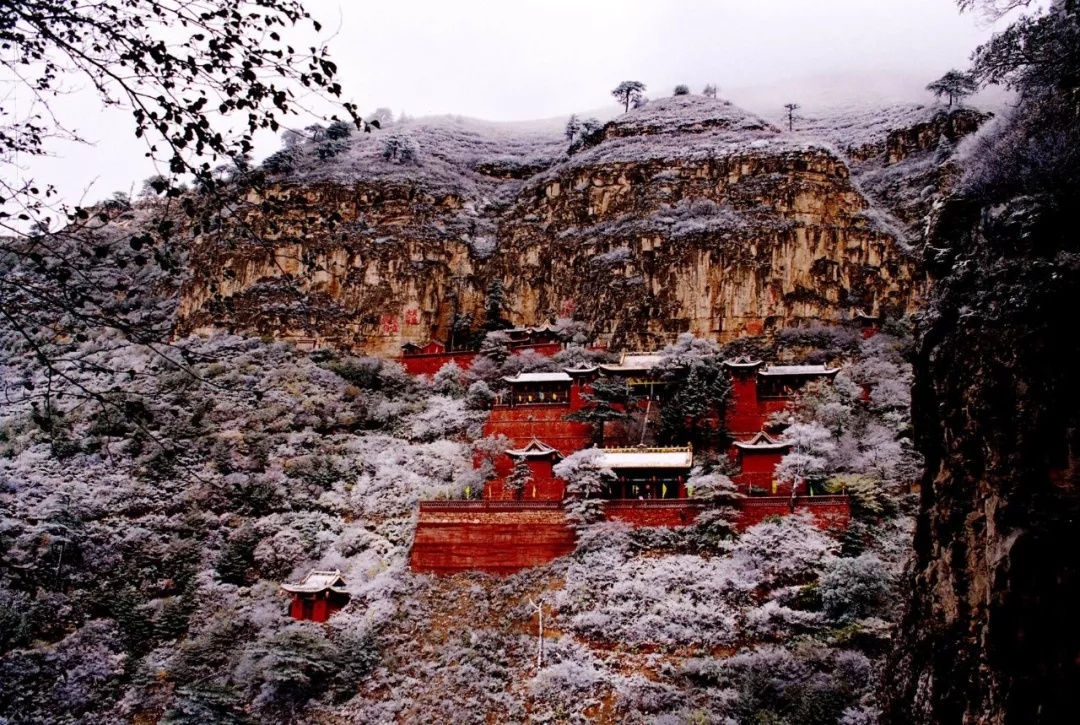
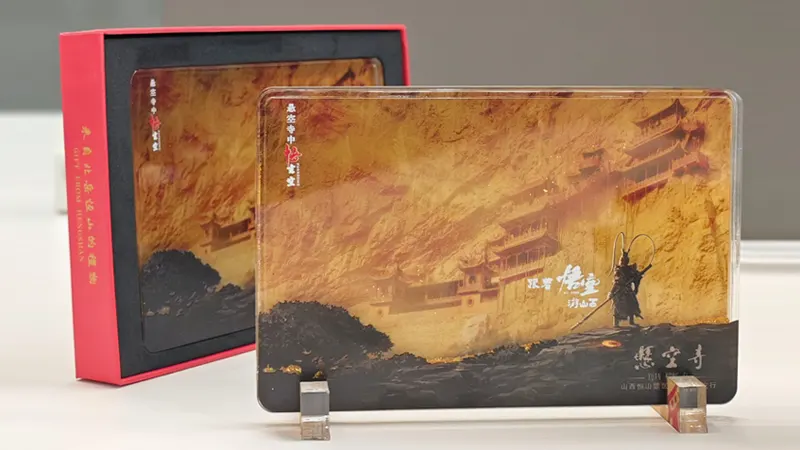
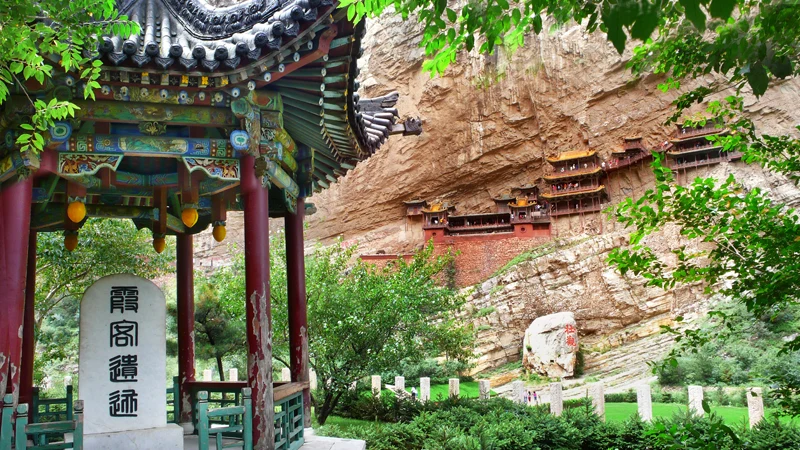
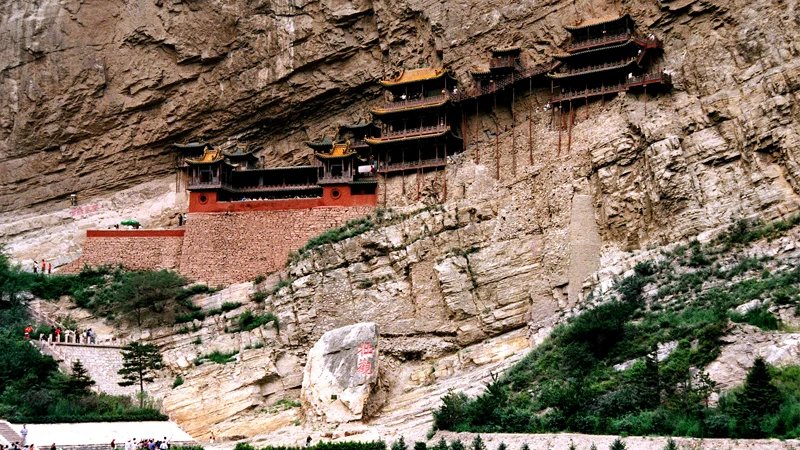
Hanging Temple:
The Hanging Temple scenic spot ticket Price is based on the approval of Datong Municipal Price Bureau's document Tongjiafei No. [2010]32, and is now based on the spirit of Datong Municipal Development and Reform Commission's Tongfa Gai Market Fa [2018]431 document:
I. Pricing Standard:
Full Price Ticket: Ticket 15 yuan, Climbing Fee 100 yuan
Half Price Ticket: Ticket 8 yuan, Climbing Fee 50 yuan
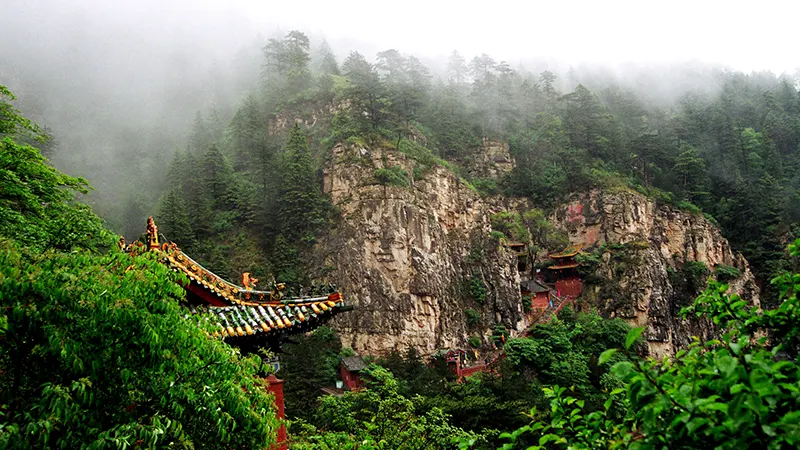
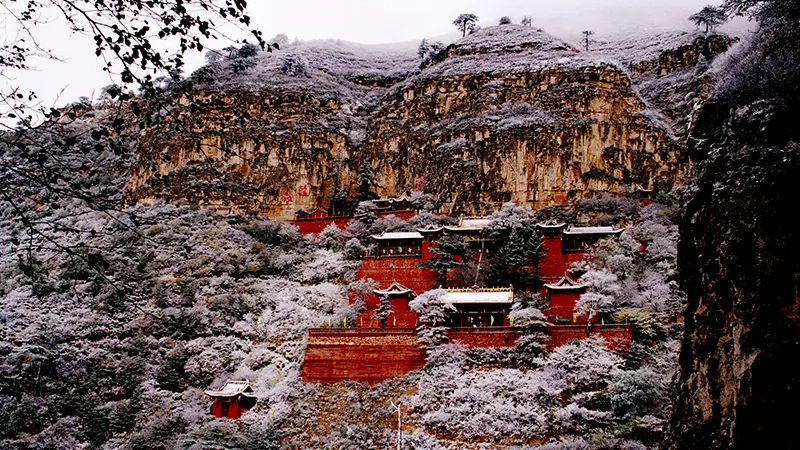
Hengshan Mountain:
The Hengshan Mountain scenic spot ticket Price is now based on the spirit of Datong Municipal Development and Reform Commission's Tongfa Gai Price Adjustment Fa [2019]316 document:
I. Pricing Standard:
Full Price Ticket: 45 Yuan
Half Price Ticket: 23 Yuan
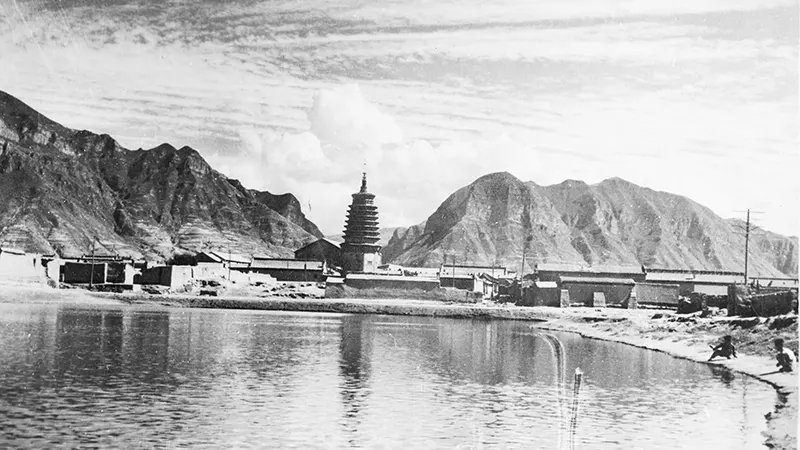
Yong'an Temple:
According to the approval of Datong Municipal Price Bureau's Tongjiafei No. (2004) 49 document: The Yong'an Temple scenic spot ticket is 20 yuan per person, with no fluctuation between peak and off-peak seasons.
I. Pricing Standard: Full Ticket 20 Yuan Half Ticket 10 Yuan
Special Group Discount Notice:
1、6 Years old (not included 6 Years old) to 18 Years old (included 18 Years old) minors, full-time undergraduate and below students can enjoy half-price ticket discount with their ID cards and student ID cards.
2、6 Years old (included 6 Years old) or below 1.2 Meters (included 1.2 Meters ) children are free of charge.
3 Active military personnel, revolutionary disabled military personnel, disabled people ; In-service, retired, and disabled fire rescue personnel and fire rescue college students are free of charge with valid certificates.
4、60 Years old (included 60 Years old) and above elderly people are free of charge with their ID cards.
Keywords:
Hengshan
Related News
Contact Us
Beiyue Hengshan Scenic Area:
Travel Inquiry:+86-352-8333077
Ticket Inquiry:+86-352-8333031
Travel Complaints:+86-352-8333081
Emergency Rescue:+86-352-8333037
Scenic Area Product After-Sales Service Hotline:
+86-18636203837
+86-15383522518
Mount Hengshan Scenic Area Administration Center (Official)
+86-352-8322142
Hanging Temple
+86-352-8327795
Yuemenwan (Hengshan Mountain Gate)
+86-352-8480060 +86-352-8328318 +86-352-8328530
Hengzong
+86-352-8480115
Tianfeng Ridge
+86-352-8480114
Yong'an Temple
+86-352-8322390
Li's Family Cemetery
+86-352-8322381
Hengshan Cableway
+86-352-8322255
Official Media

Tiktok