

-
AboutMount Heng, an outstanding representative of the splendid mountains and rivers of China, a symbol of national prosperity, a totem of national spirit, an important geographical indication of the country, and holds the status of a national mountain.More
-
CultureHengshan has been a famous scenic spot and important birthplace of Taoism in northern China since ancient times. Carrying the symbols of Chinese civilization, it has nurtured profound regional culture and folk customs.More
-
-
Tourist GuideUnderstand relevant information about the scenic area and enjoy a better travel experience.More
-
Surrounding activitiesThe ancient city of Hunyuan at the foot of Mount Heng in Beiyue has a long history, rich cultural heritage, beautiful scenery, and a convergence of agriculture, commerce, and animal husbandry. It has nurtured a unique regional culture and is renowned for its fine wine and delicious food.More
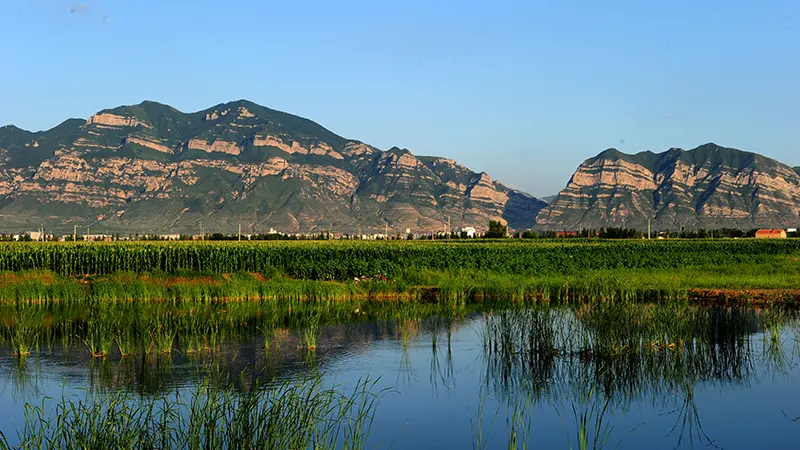

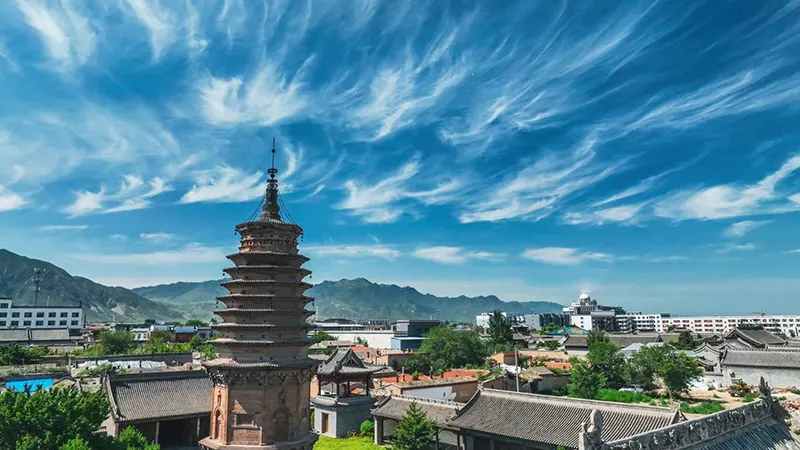
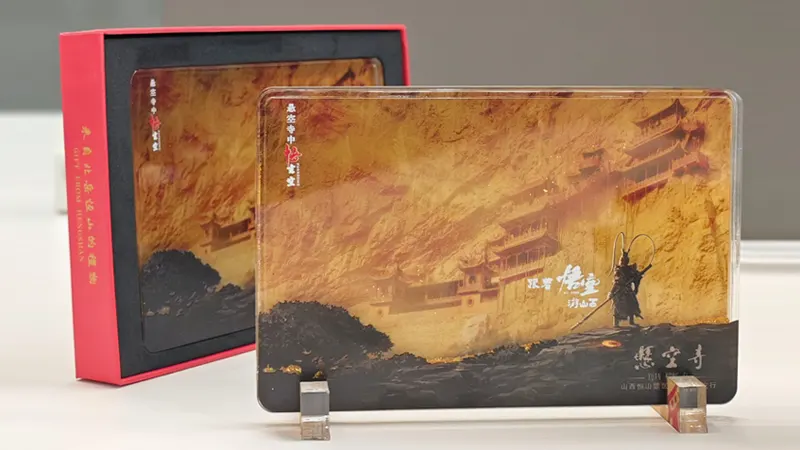
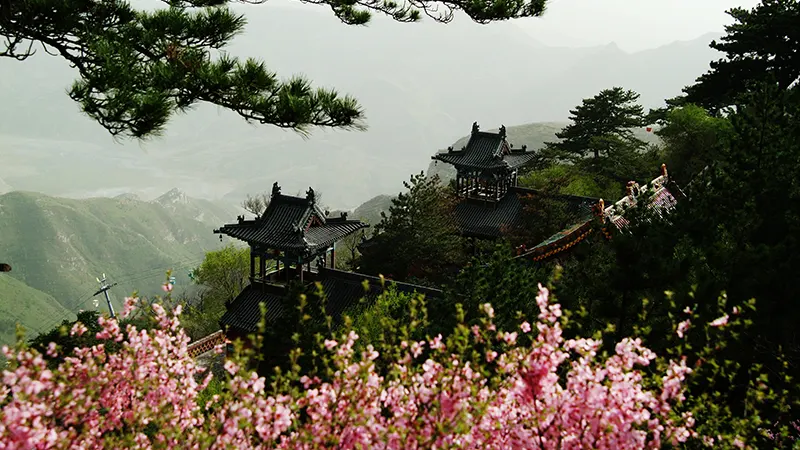
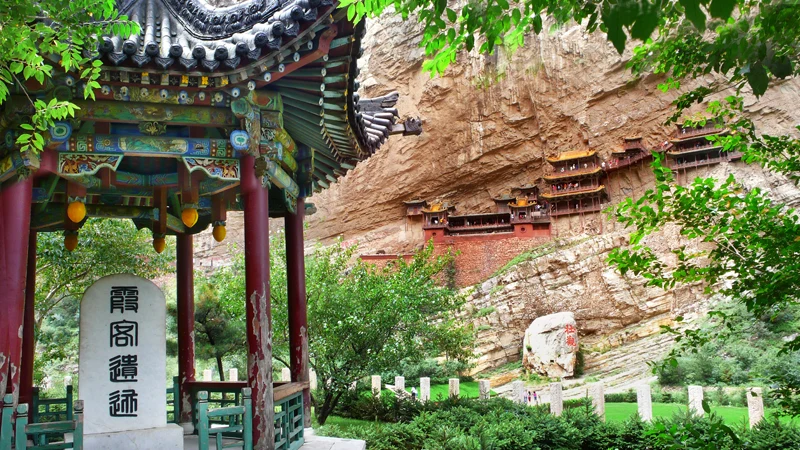
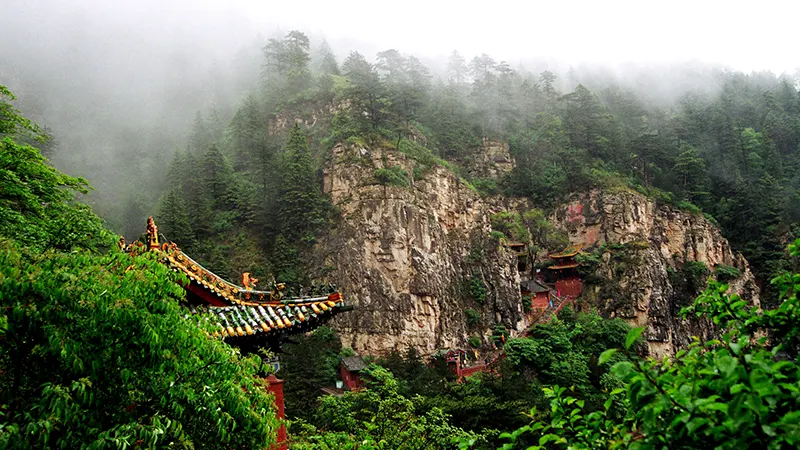
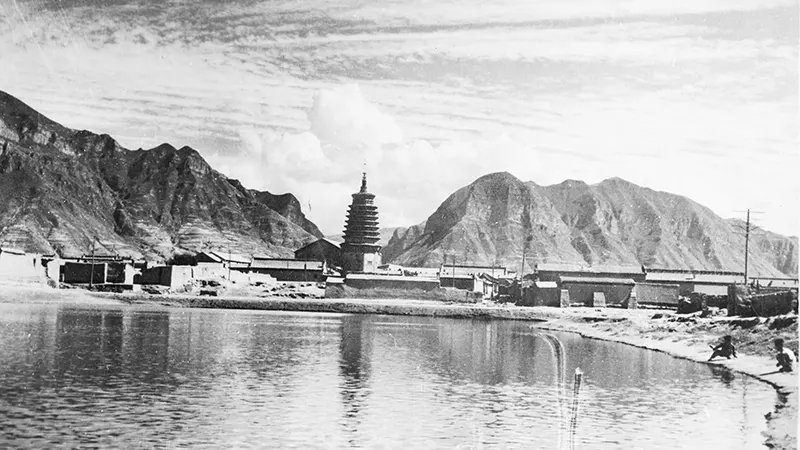
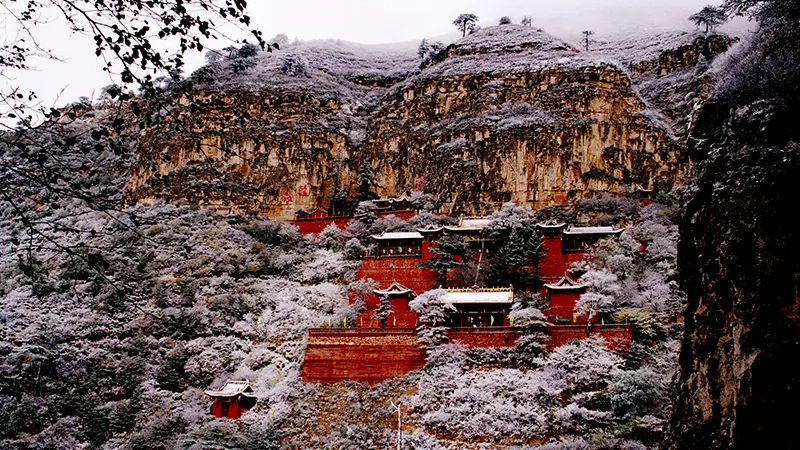






Touch the light and shadow, wander through ancient sites.
Publish Time:
2026-06-08 22:07
Source:
What kind of sparks will fly when ancient cave temples meet modern technology?
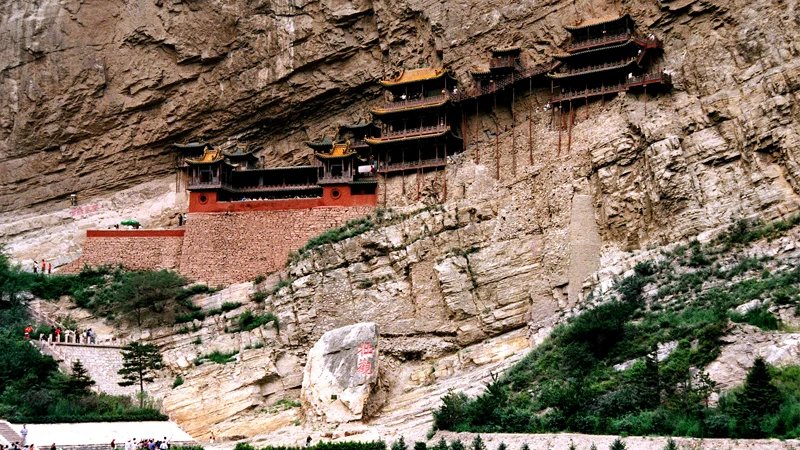
The Hanging Temple, located in the Jinlong Gorge of Hengshan Mountain, is renowned worldwide for its extraordinary and perilous site selection and architecture. “Built in the late Northern Wei period, the temple stands about 60 meters above the ground at its highest point, with steps so narrow that some sections are less than one meter wide—truly awe-inspiring and daunting,” said Deng Jing, Director of the Party and Government Office at the Hengshan Scenic Area Management Center. To better safeguard the cultural relics and ensure visitor safety, admission tickets are sold on a daily limited basis.
The soaring popularity of the game “Black Myth: Wukong” has triggered a sharp surge in visitor numbers to the Hanging Temple. During each peak tourist season, daily attendance averages over 30,000, which also means that more than 90% of visitors are unable to actually climb up to the temple.
At the end of September 2025, the MR (mixed reality) project “Lingjing Xuan Kong” made its official debut. “The project employs non-contact, high-precision, real-world 3D digital twin technology to create a 1:1 digital replica of the entire Hanging Temple,” explained Liu Rui, the project leader. To faithfully recreate the temple’s authentic structure, the team collaborated with experts in historic architecture and cultural heritage preservation, utilizing drone-based oblique photogrammetry and terrestrial LiDAR scanning, alongside original construction archives. This approach not only restored the building’s exterior but also meticulously reproduced internal structural details, such as the mortise-and-tenon joinery system.
With feet resting on auspicious clouds, visitors ascend gently, while the intricate details of the temple are rendered in exquisite clarity… Through algorithmic simulation, even standing on level ground, tourists can experience the sensation of soaring above the temple. Paired with synchronized audio narration, they gain an intuitive understanding of the Hanging Temple’s ingenious structural principles—its “half‑embedded flying beams as foundations, cleverly leveraging the rock for hidden support”—as well as the geographical secrets behind its mountain‑side location. What was once obscure knowledge of ancient architectural construction has thus been transformed into vivid, tangible real‑world insights.
“Digital technology not only addresses the traditional limitation of visitor capacity but also enables tourists to appreciate the architectural ingenuity behind historic structures and to better connect with the historical depth of cultural relics,” said Liu Rui. She added that, empowered by new technologies, more ancient sites are being presented to visitors in a more vivid and engaging manner—making them easier to see, remember, and cherish.
Source: People’s Daily
Keywords:
Related News
Contact Us
Beiyue Hengshan Scenic Area:
Travel Inquiry:+86-352-8333077
Ticket Inquiry:+86-352-8333031
Travel Complaints:+86-352-8333081
Emergency Rescue:+86-352-8333037
Scenic Area Product After-Sales Service Hotline:
+86-18636203837
+86-15383522518
Mount Hengshan Scenic Area Administration Center (Official)
+86-352-8322142
Hanging Temple
+86-352-8327795
Yuemenwan (Hengshan Mountain Gate)
+86-352-8480060 +86-352-8328318 +86-352-8328530
Hengzong
+86-352-8480115
Tianfeng Ridge
+86-352-8480114
Yong'an Temple
+86-352-8322390
Li's Family Cemetery
+86-352-8322381
Hengshan Cableway
+86-352-8322255
Official Media

Tiktok