

-
AboutMount Heng, an outstanding representative of the splendid mountains and rivers of China, a symbol of national prosperity, a totem of national spirit, an important geographical indication of the country, and holds the status of a national mountain.More
-
CultureHengshan has been a famous scenic spot and important birthplace of Taoism in northern China since ancient times. Carrying the symbols of Chinese civilization, it has nurtured profound regional culture and folk customs.More
-
-
Tourist GuideUnderstand relevant information about the scenic area and enjoy a better travel experience.More
-
Surrounding activitiesThe ancient city of Hunyuan at the foot of Mount Heng in Beiyue has a long history, rich cultural heritage, beautiful scenery, and a convergence of agriculture, commerce, and animal husbandry. It has nurtured a unique regional culture and is renowned for its fine wine and delicious food.More





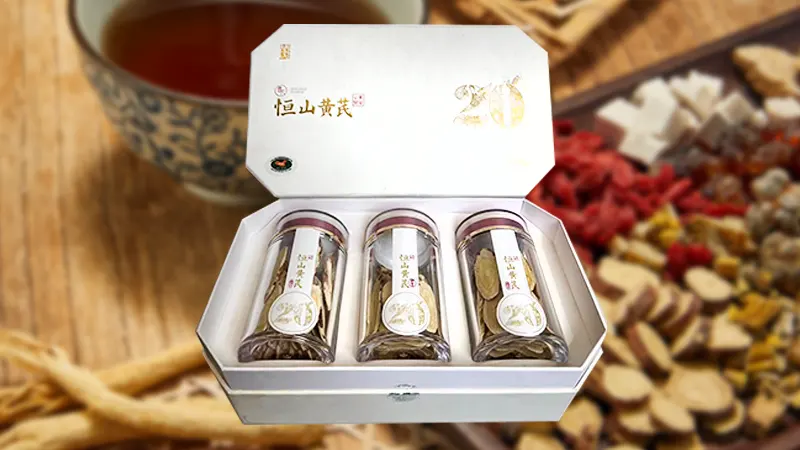


Strolling Hengshan Mountain
Publish Time:
2020-05-01 15:58
Source:
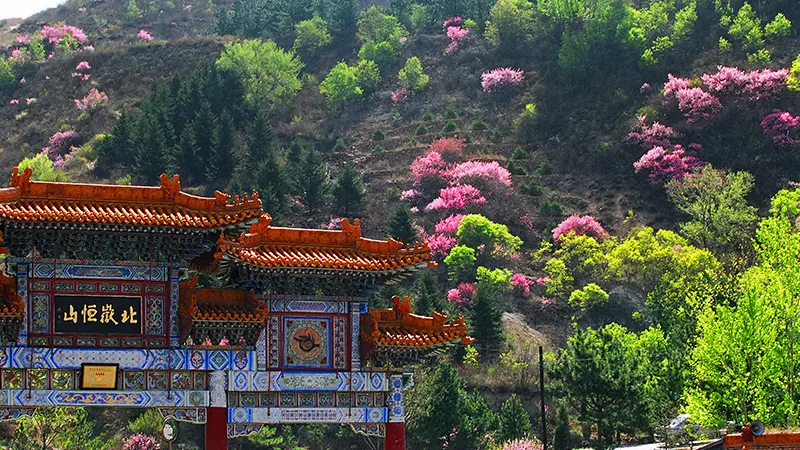
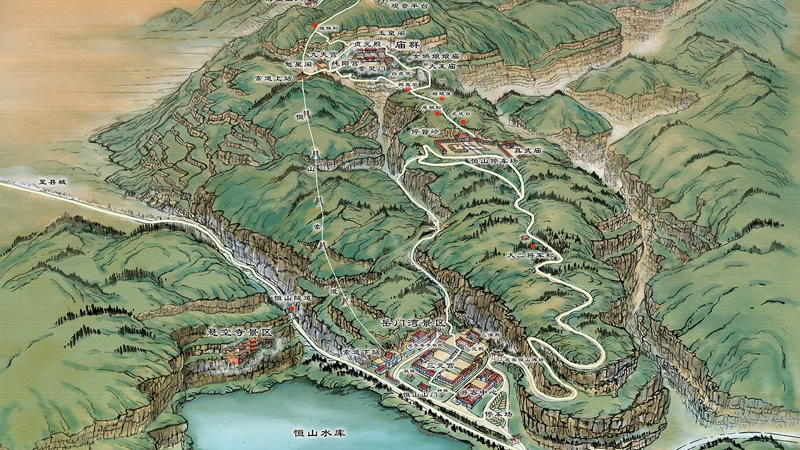
This year's "May Day" holiday, the roads to Hengshan Mountain and the Hanging Temple scenic area are smooth and no longer congested! The Hunyuan County Party Committee and County Government, where the Hengshan Mountain scenic area is located, have built a large parking lot in Liuhe Park. To effectively divert traffic flow and reduce the inconvenience caused by traffic congestion to tourists, from May 1st to 5th, tourists who drive to Hengshan Mountain and the Hanging Temple can park their vehicles in the Liuhe Park parking lot and take the free shuttle bus to Yuemen Bay and the Hanging Temple to purchase tickets and visit. Tourist buses are parked in the Yuemen Bay area Xiapanpu parking lot and the Hanging Temple's second parking lot. Tourists going up Hengshan Mountain from Yuemen Bay can choose to take the cable car or take a round-trip bus for 13 yuan.
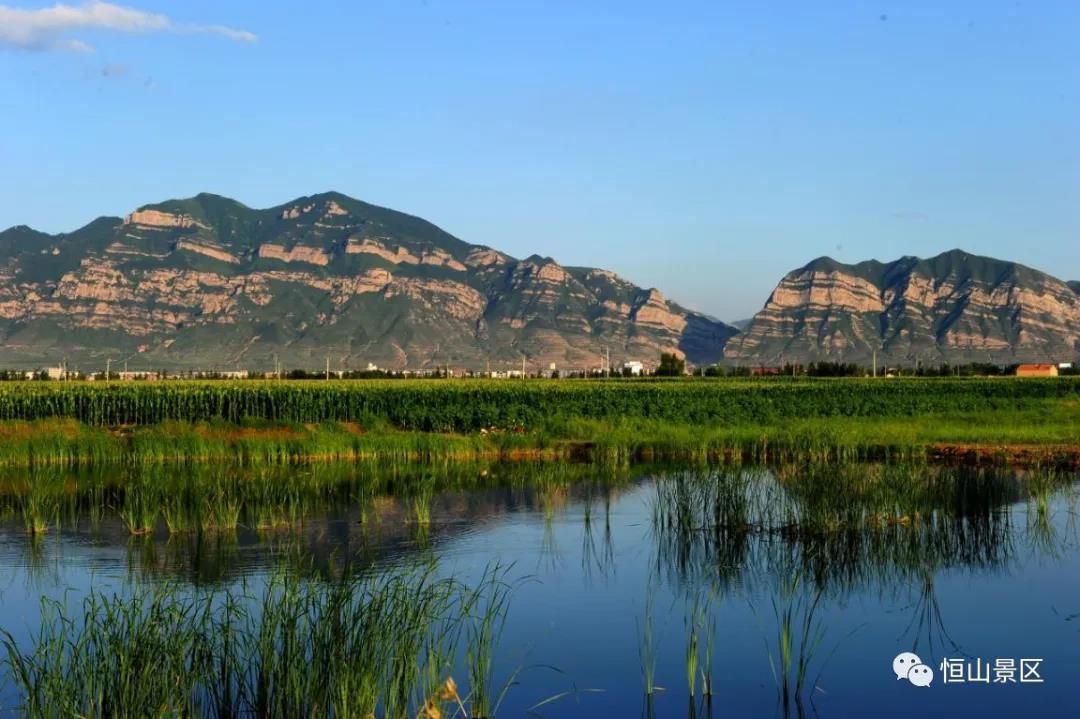
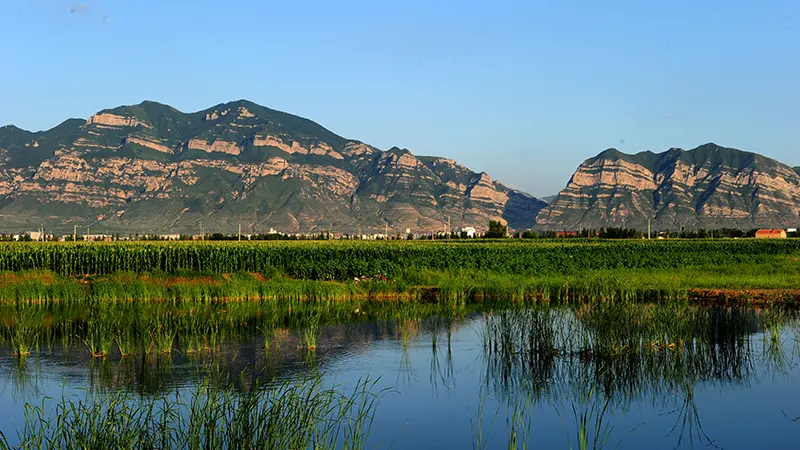
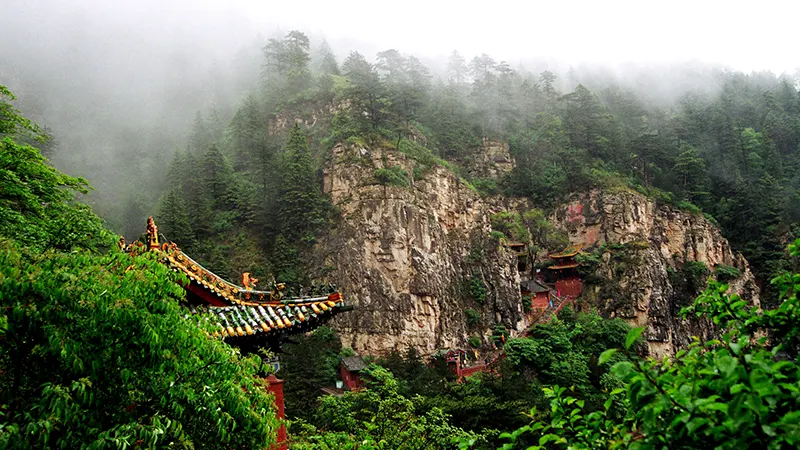
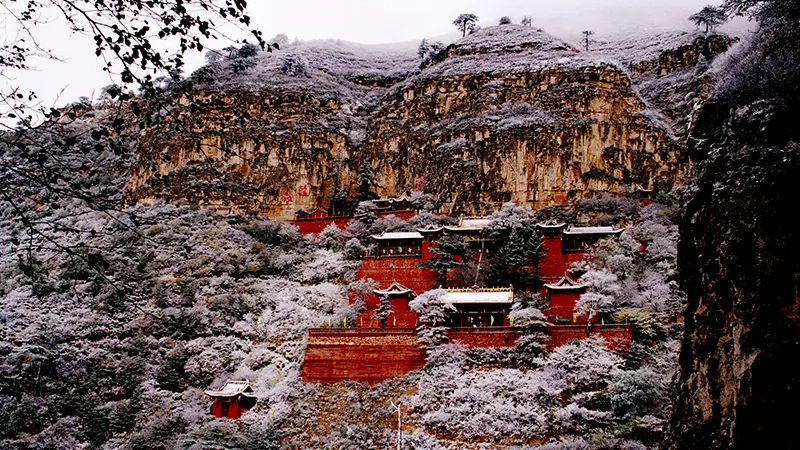
Hunyuan County, the location of Hengshan Mountain, boasts incredibly rich and diverse tourism resources. Famous mountains, temples, ancient pagodas, murals, ancient tombs, historical sites, hot springs, the Great Wall… such a concentration of cultural relics in one county is rare nationwide. Therefore, your Hengshan Mountain trip should be worthwhile. Try to expand your sightseeing scope within the limited time to make the most of your visit.
Hengshan Mountain historically had eighteen scenic spots, each unique, but how many might truly interest you?
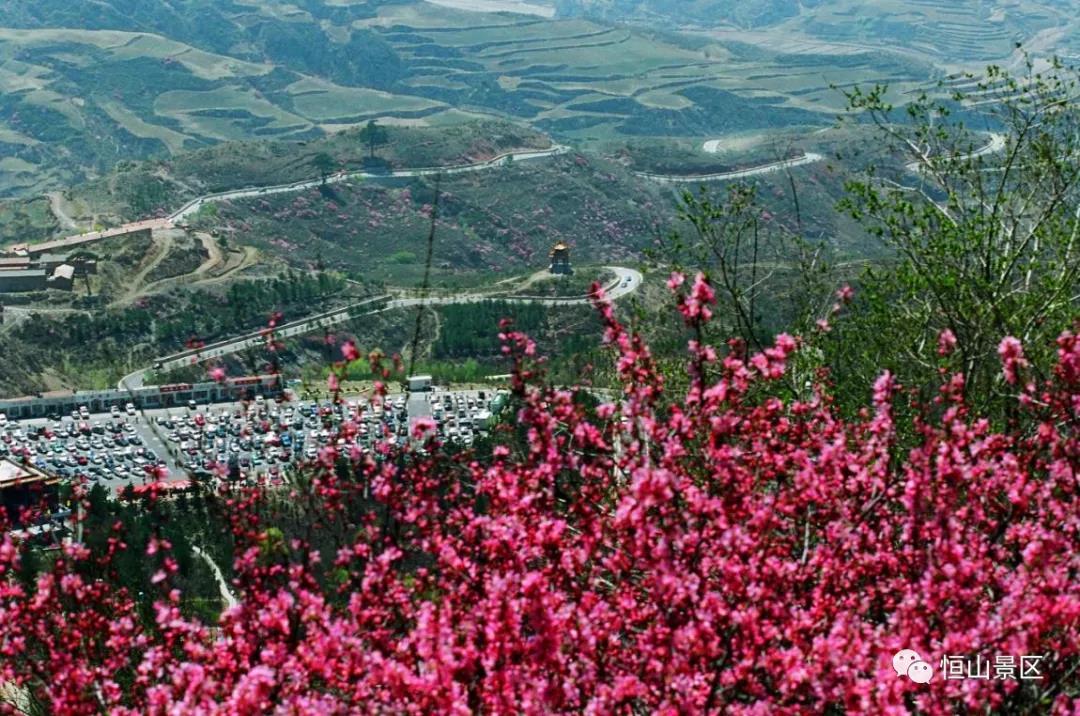
Ascend the "Bubu Yunlu" (Step-on-Cloud Path) and climb the Heavenly Ladder. This scene evokes a sense of rapid advancement. Qing Dynasty scholar Zhang Jiyuan wrote a poem:
Ten thousand-foot Heng peak, a vermilion ladder soars, Together we ascend, never losing our way.
Near, we pluck stars, the Big Dipper's light, Turning back, we're worlds apart from the clouds and mud.
Ambitious souls should not forget the Cloud Path. A couplet before the Zhenyuan Hall of Hengshan Mountain reads: "The Cloud Path is near before our eyes, may many scholars broaden their culture and nation, do not disappoint the apricot blossoms of spring, the osmanthus of autumn."
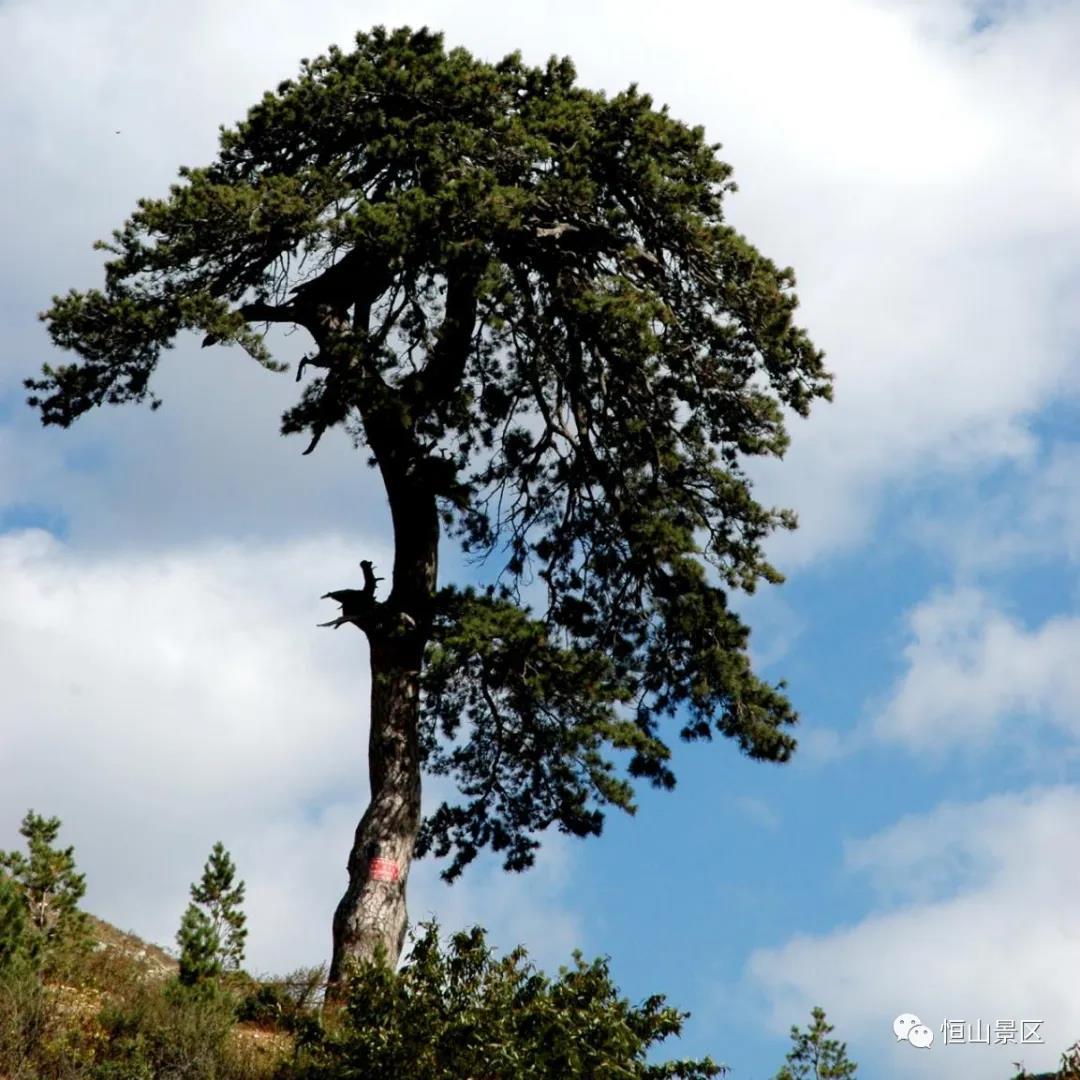
The exposed roots of the Hanging Root Pine spread like a green umbrella. Some admire its tenacious vitality; others marvel at its association with immortals. But most visitors sit and rest under its shade, enjoying the cool air and breeze.
The "Bitter-Sweet Well" is known as "Qianlongquan" (Hidden Dragon Spring). It gained favor with Emperor Xuanzong of Tang due to Zhang Guolao's cultivation at Hengshan Mountain. Its mystery is linked to the "Dragon Spring" before Xuanzong's ascension to the throne. Here, drinking a cup of pure spring water and a cup of Hengshan Mountain tea feels like a divine experience.
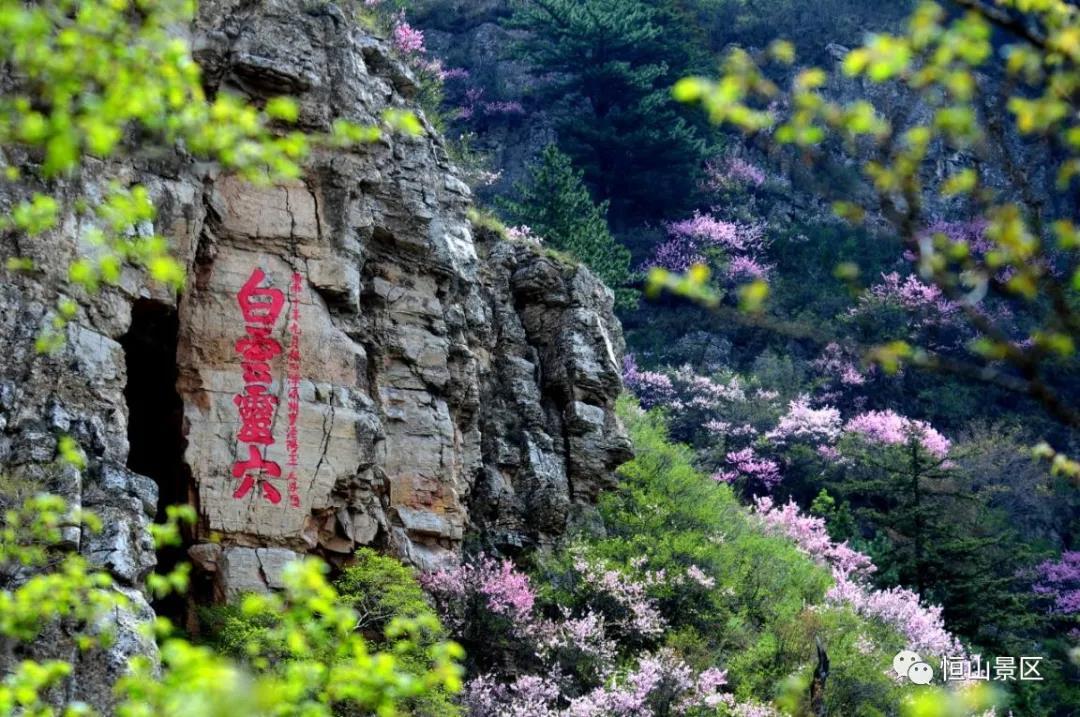
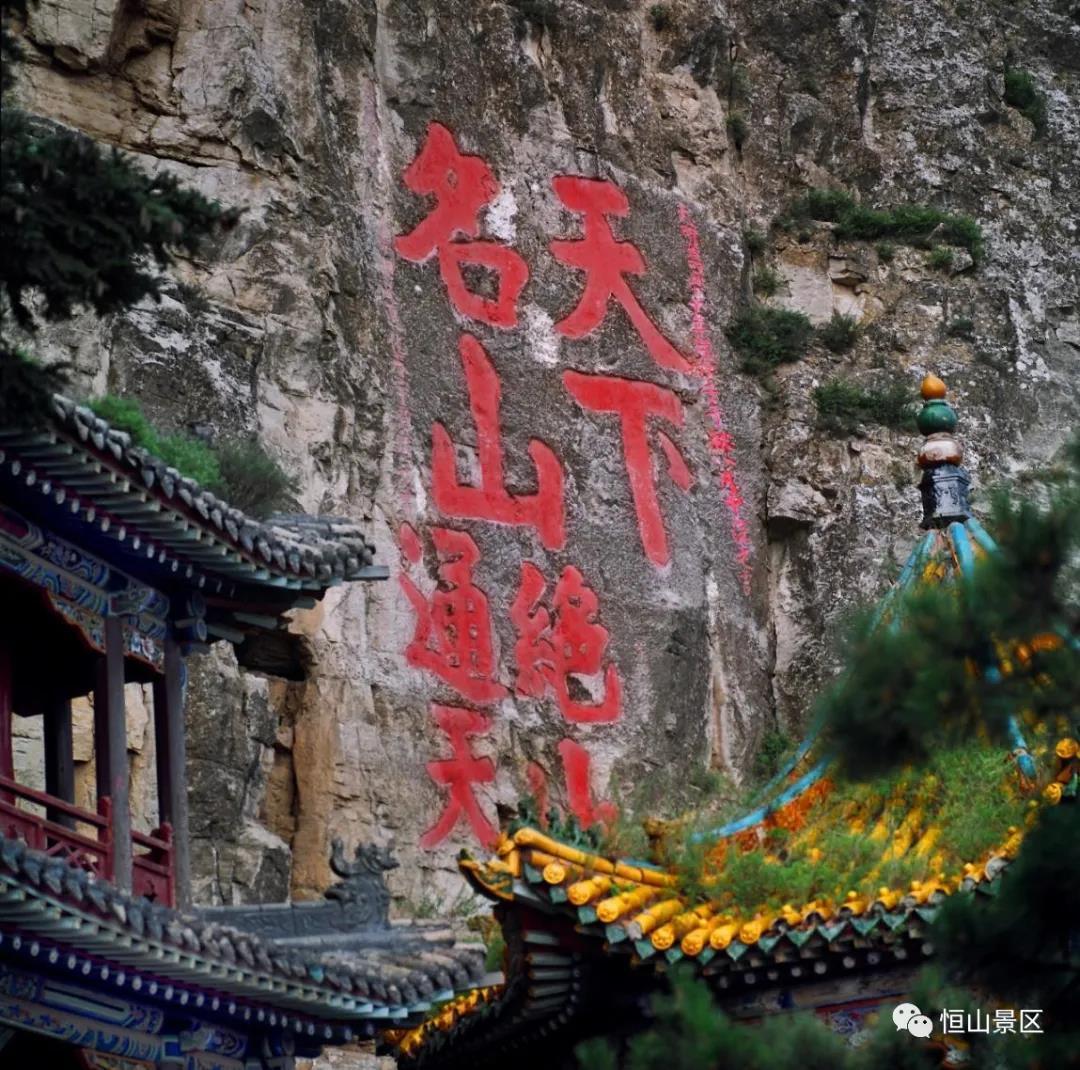
Feishi Grottoes and Huanyuan Cave reveal wonders beyond imagination. People here contemplate history, marveling at nature's artistry and wonder. The "interconnectedness of mountains and marshes" represents communication with heaven and earth, while "earthly passage to heaven" represents humanity's yearning, creating a unified duality.
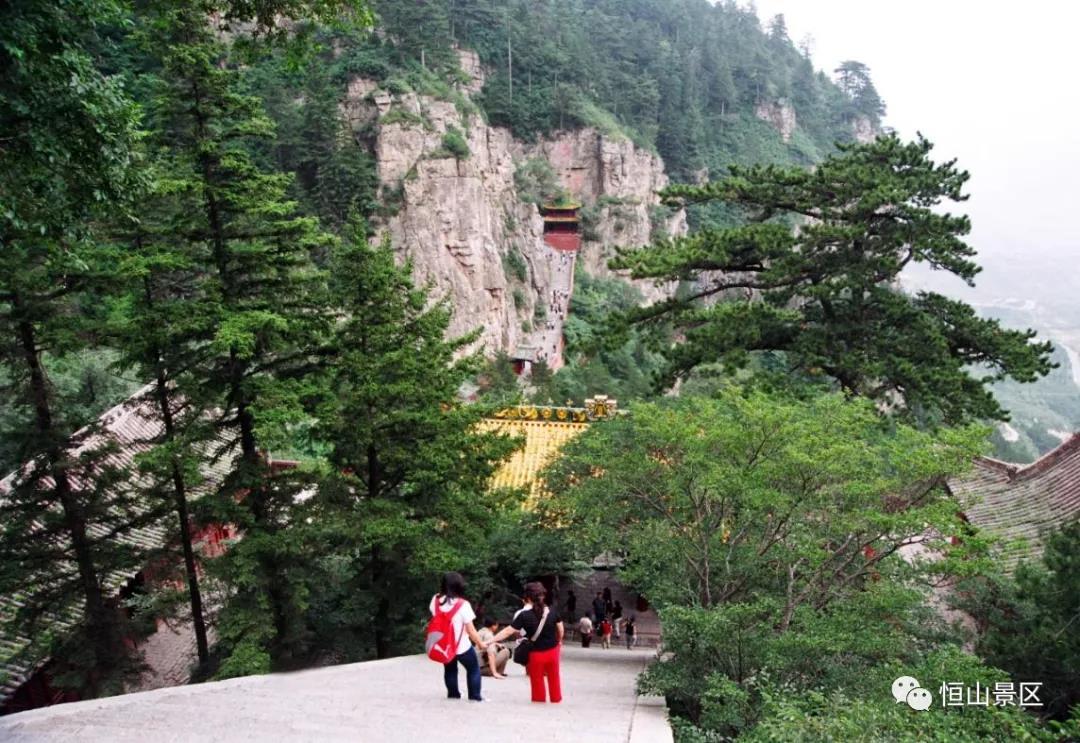
The Hengshan Mountain temple's central area has 103 steps with an incline of over 40 degrees. 103 is a numerical mystery and a cultural phenomenon. What do you think? Is it a coincidence, or is there a reason behind it? If interested, feel free to investigate.
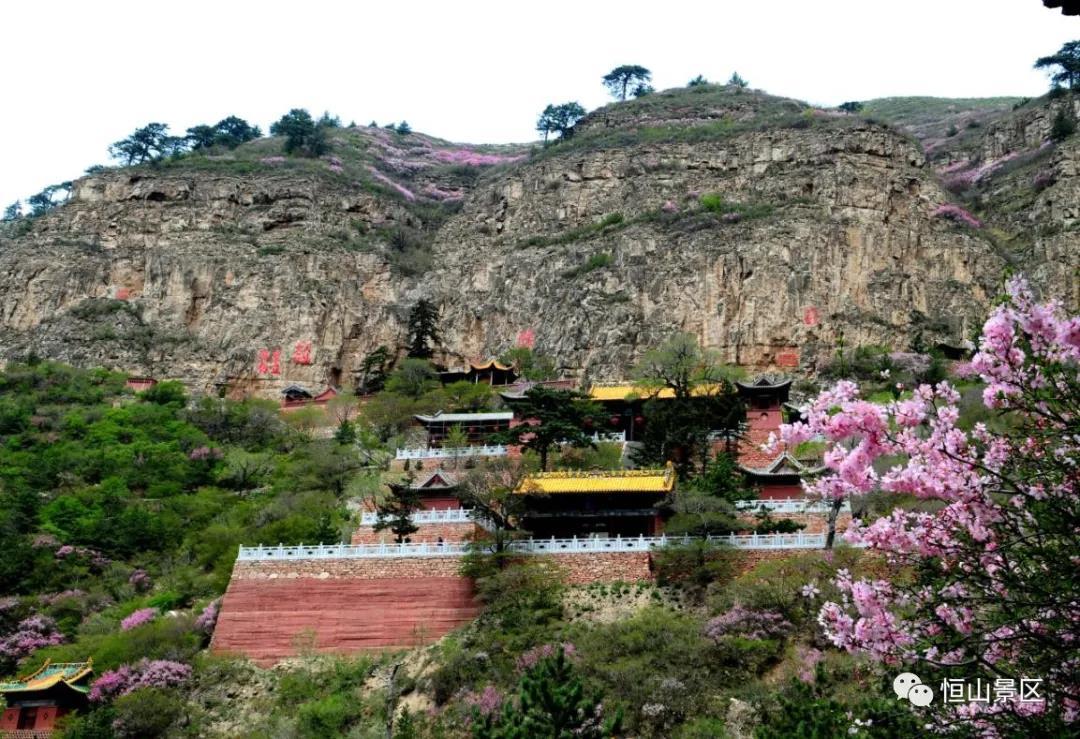
For those interested in religion, do you venerate the Great Emperor of the North? "One shouldn't have the idea of becoming a monk, but one shouldn't actually become one." This contradiction reflects the human condition: the desire for both worldly and monastic life, the belief in one's own efforts alongside the hope for divine protection.
Knocking on the Golden Rooster Stone brings good luck. Hengshan Mountain's Golden Rooster Stone is a unique landmark. Ancient people believed that "ji" (chicken) also means "ji" (lucky). The rooster represents yang, capable of warding off evil spirits. Chairman Mao, a great contemporary leader, famously said: "A rooster's crow dissipates all evils."
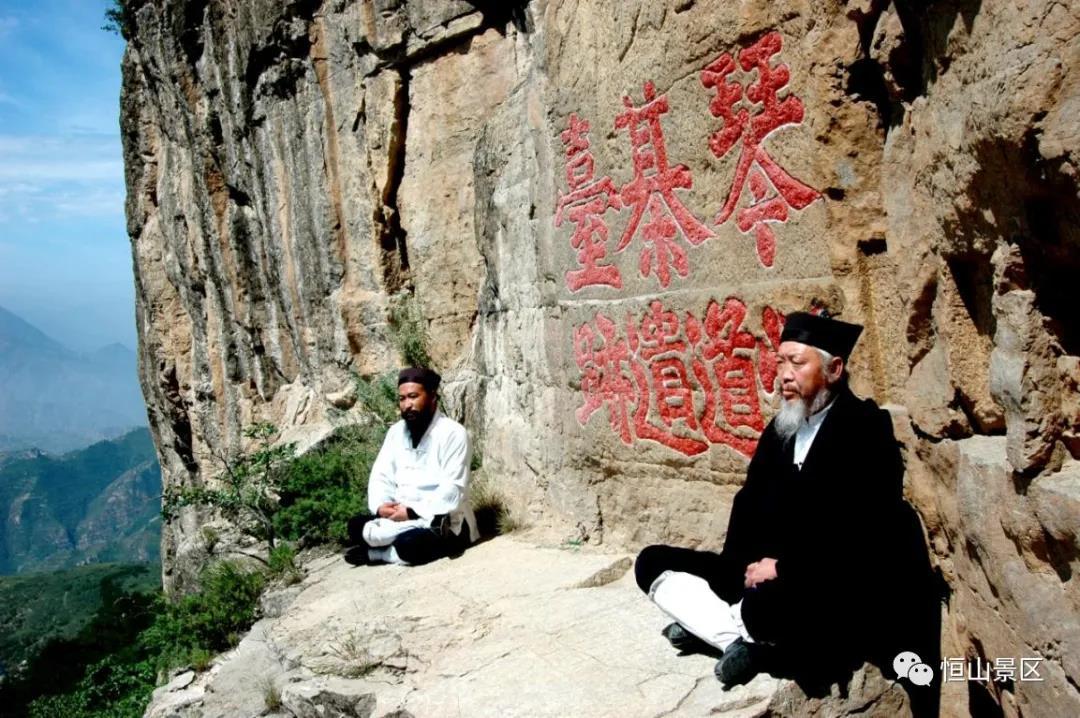
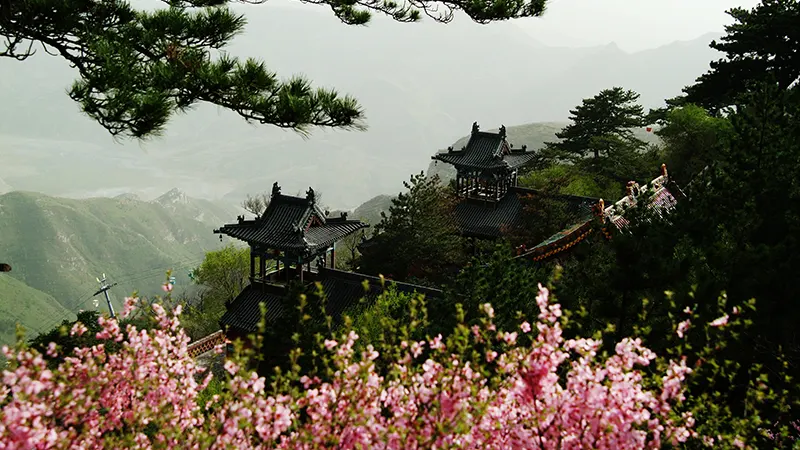
The Qinqi Terrace is a great place to visit. Chinese immortals are often associated with the arts of music and chess; the "Lan Ke Game" is stamped with the mark of the immortals. Sitting on the terrace, gazing at the mountains and pines, listening to the thunder, is awe-inspiring. Closing your eyes and contemplating, spanning time and space, evokes profound feelings.
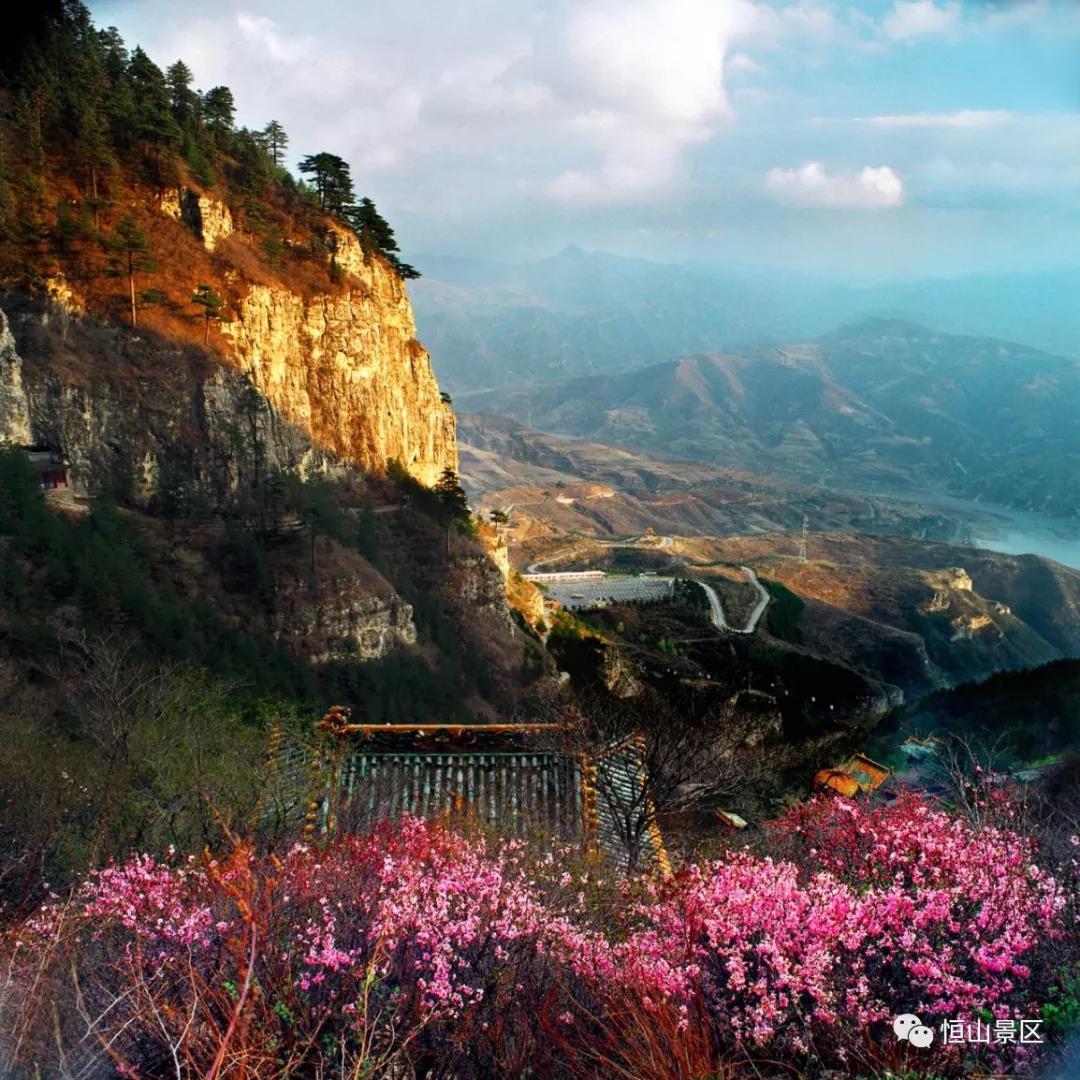
Among Hengshan Mountain's many scenic spots, the most captivating and unforgettable is "Gusao Cliff." Two women jumped off the cliff, one after the other, creating a distinction. It reflects traditional Chinese ethics – filial piety – and bestows humanity's most beautiful emotion – love.
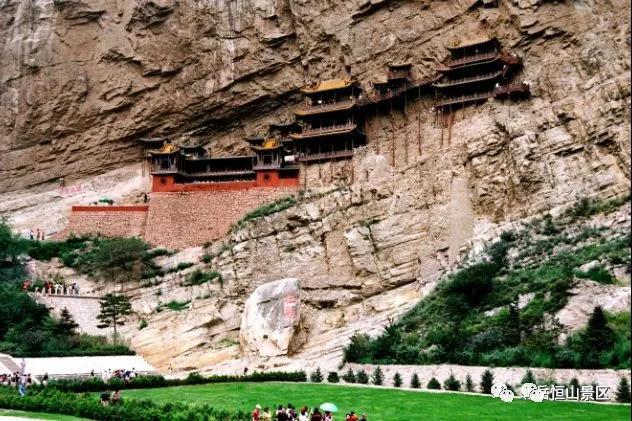
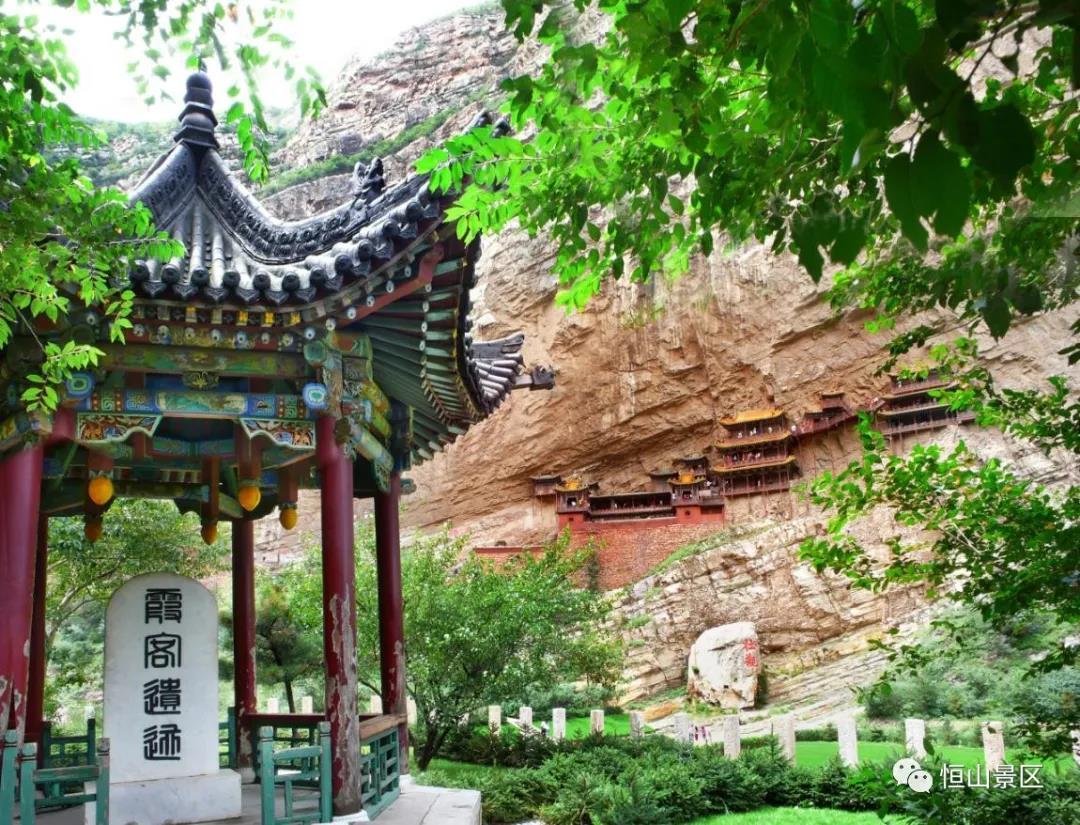
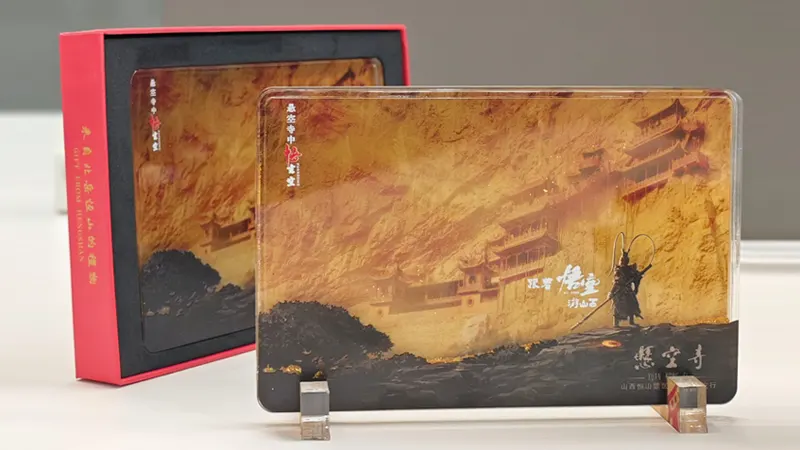
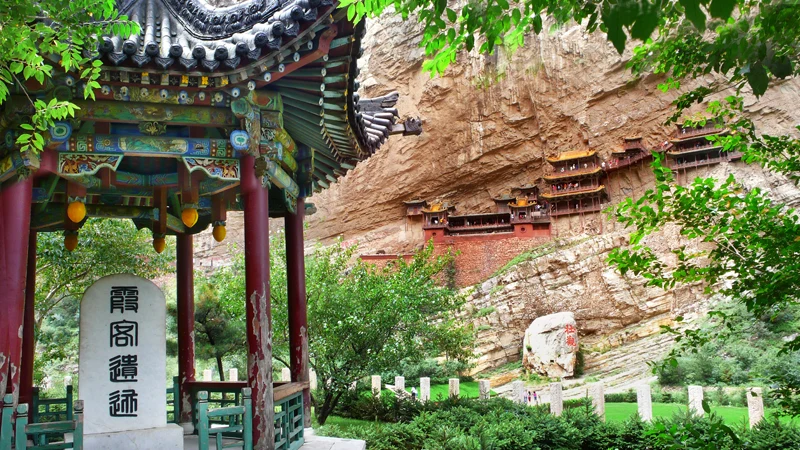
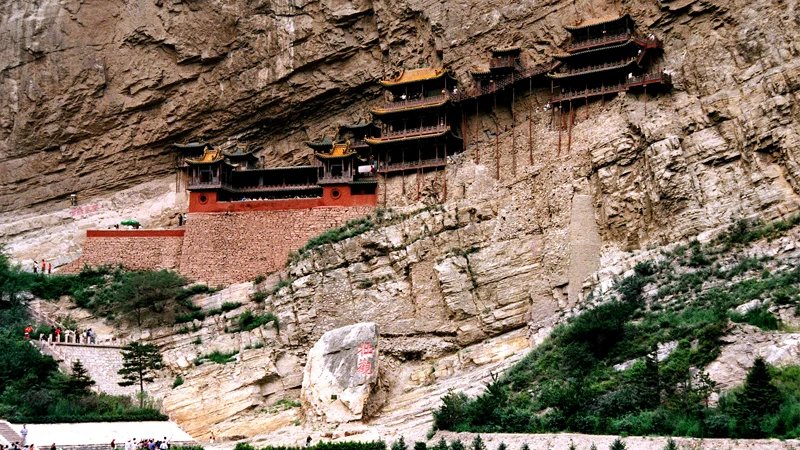
If Hengshan Mountain is a thick novel, then the Hanging Temple is an exquisite essay. This ancient temple hanging from a cliffside, with its ingenious architecture and unique integration of three religions, is breathtaking. Take your time, savor its charm, and appreciate its cultural depth.
Hengshan Mountain's satellite attractions are picturesque and leave a lasting impression.
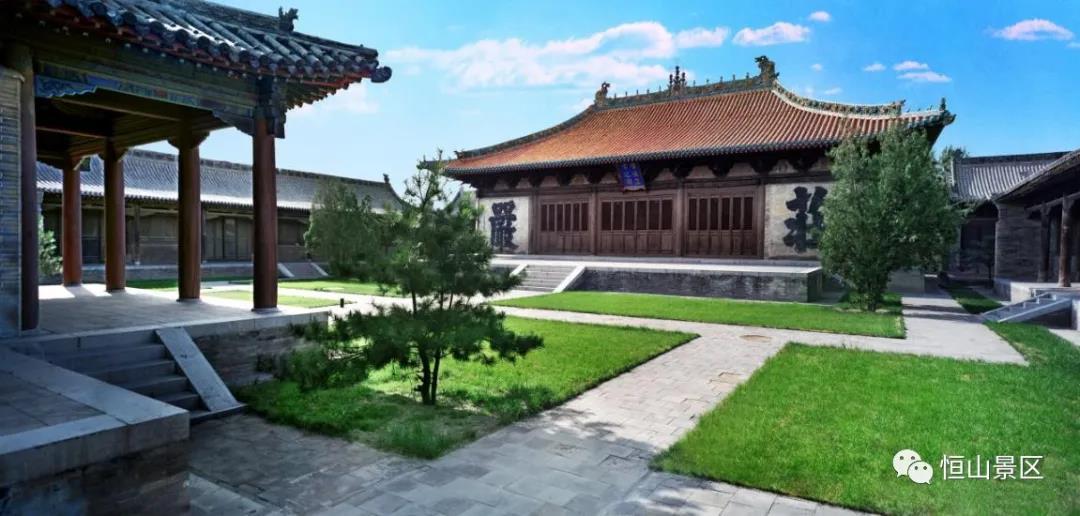
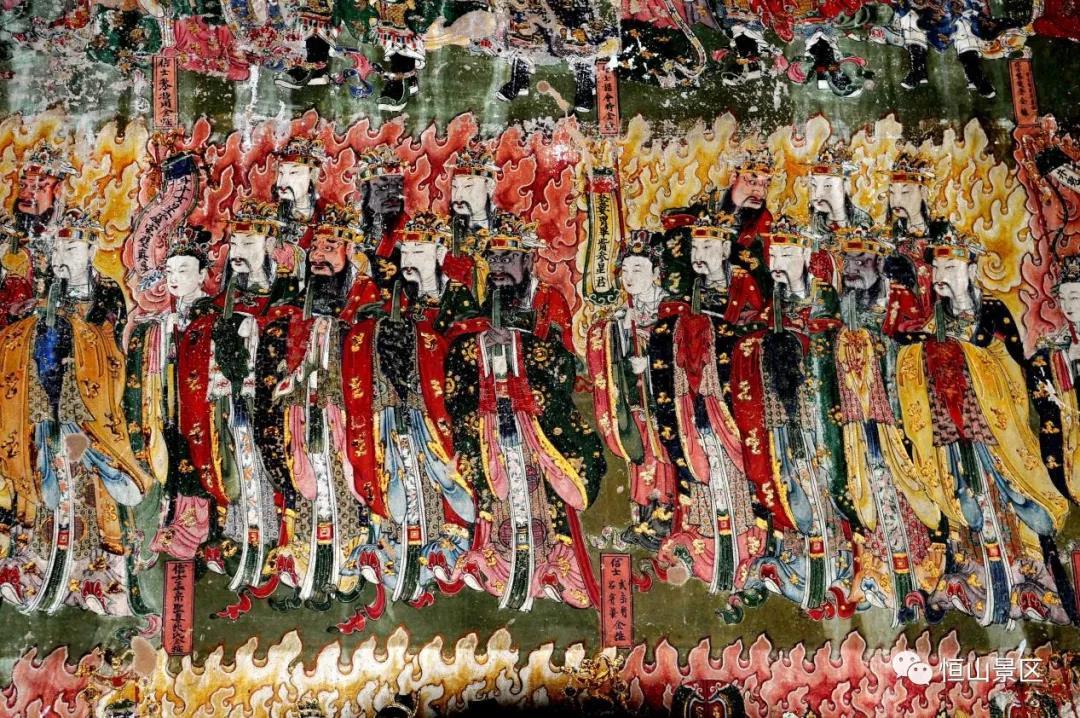
The Yong'an Temple, a nationally protected cultural relic, dates back to the Jin Dynasty. The main hall, the Chuanfa Zhengzong Hall, is resplendent and solemn. The large-scale meticulous brushwork paintings on the four walls of the hall showcase skilled techniques and vibrant colors. Some say, "If the scenery of Hengshan Mountain is a majestic symphony, then Yong'an Temple is a complete movement, and the Chuanfa Zhengzong Hall is the most moving frozen notes within that movement." Your personal experience is the ultimate judge.
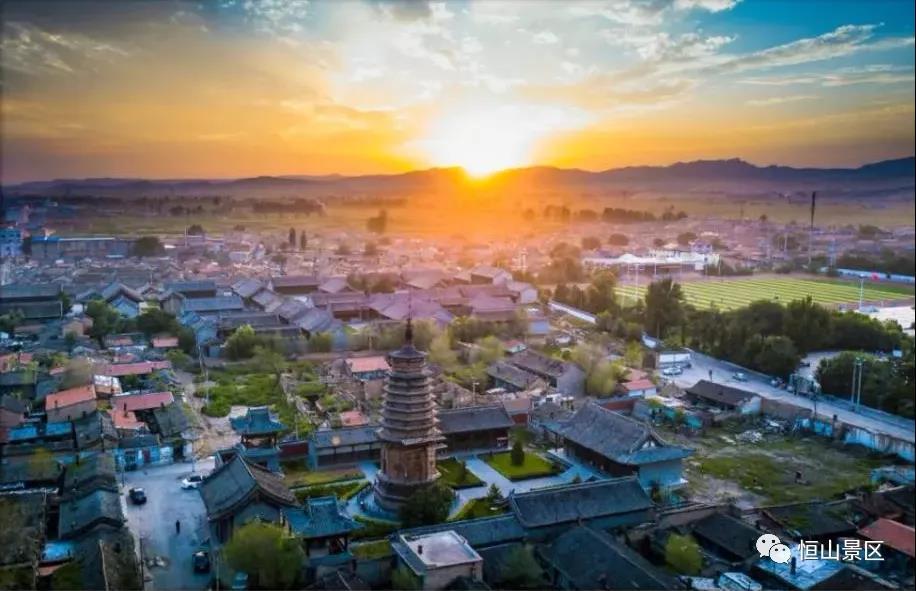
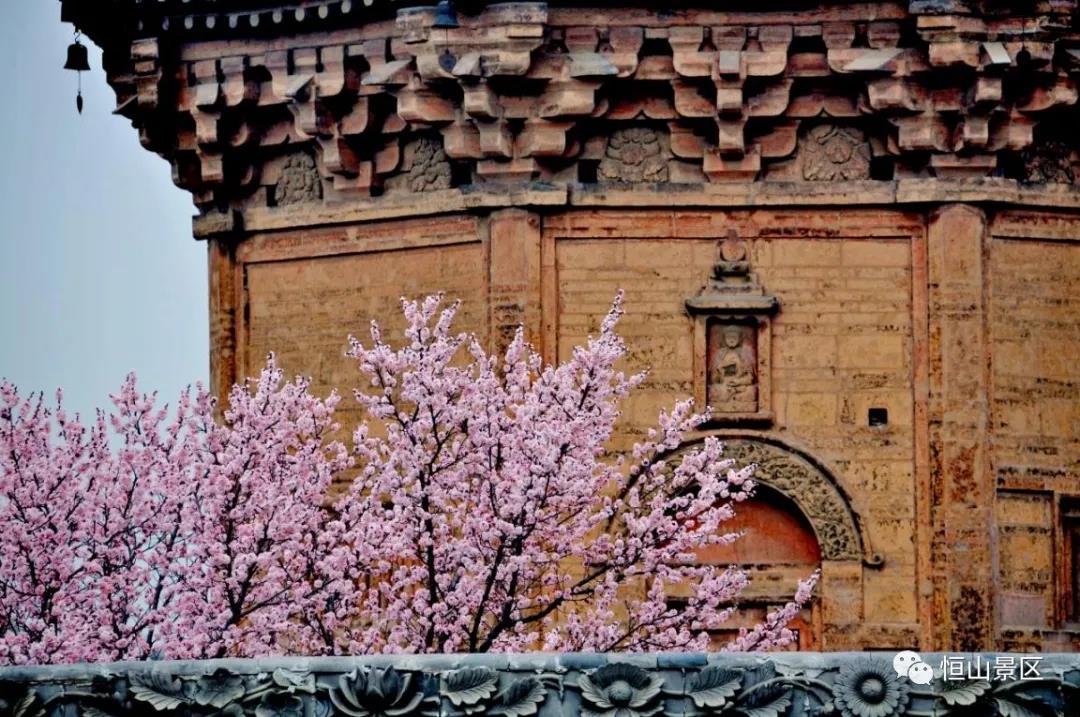
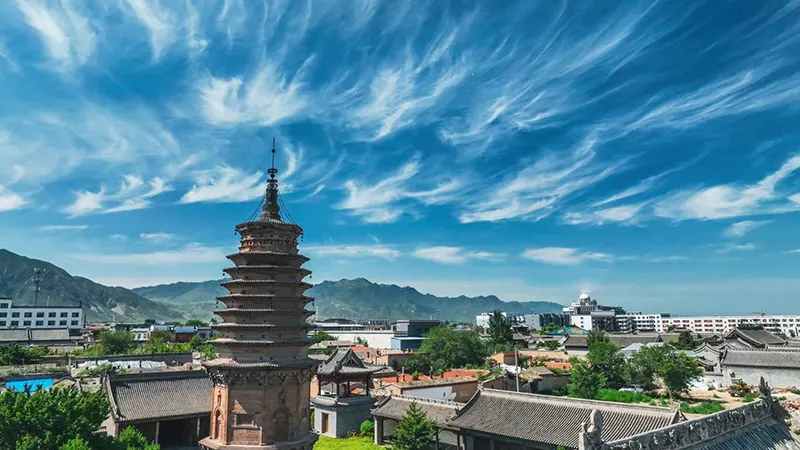
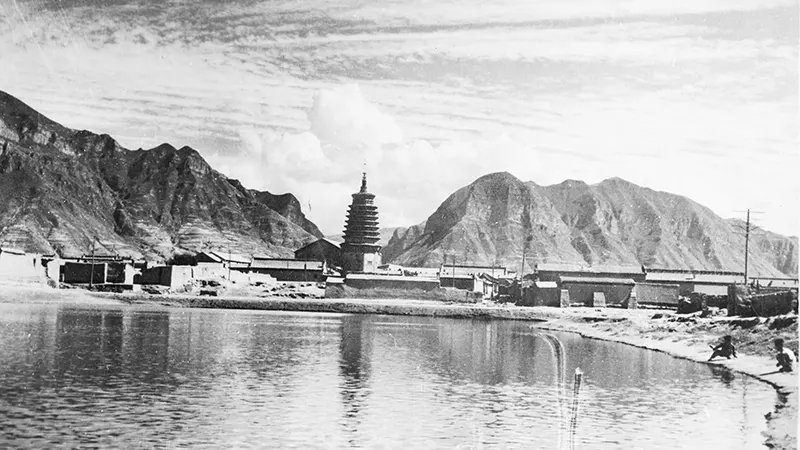
The Jin Dynasty Yuanyuan Temple brick pagoda, standing proudly in the county city, is a unique specimen of a Jin Dynasty eaves-style brick pagoda in northern Shanxi. The exquisitely crafted phoenix atop the pagoda is both a weathervane and a lightning rod. The brick carvings on the base are vivid and diverse. There are 40 figures of musicians alone, some playing the pipa and drums, others playing flutes and clappers. A closer look is sure to be rewarding.
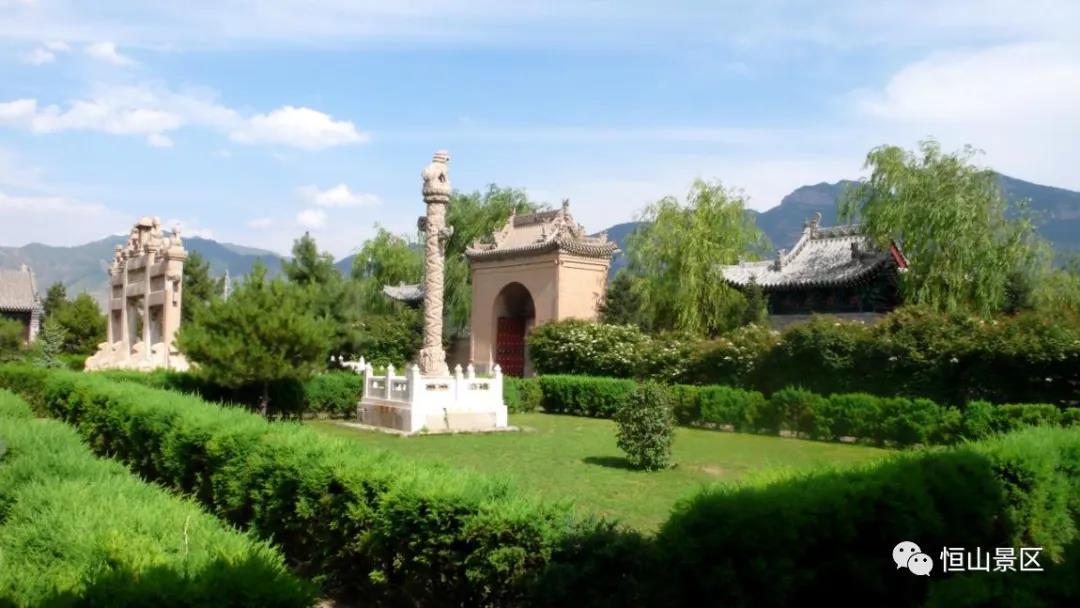
Not visiting Li Gong's tomb means missing Hunyuan entirely. Li Yu Mei was a high-ranking official of the Qing Dynasty who earned great respect for his water control achievements, with temples dedicated to him in Henan Province. The Qing Emperor bestowed a burial place in his hometown, Hunyuan, a magnificent imperial garden, inspiring awe.
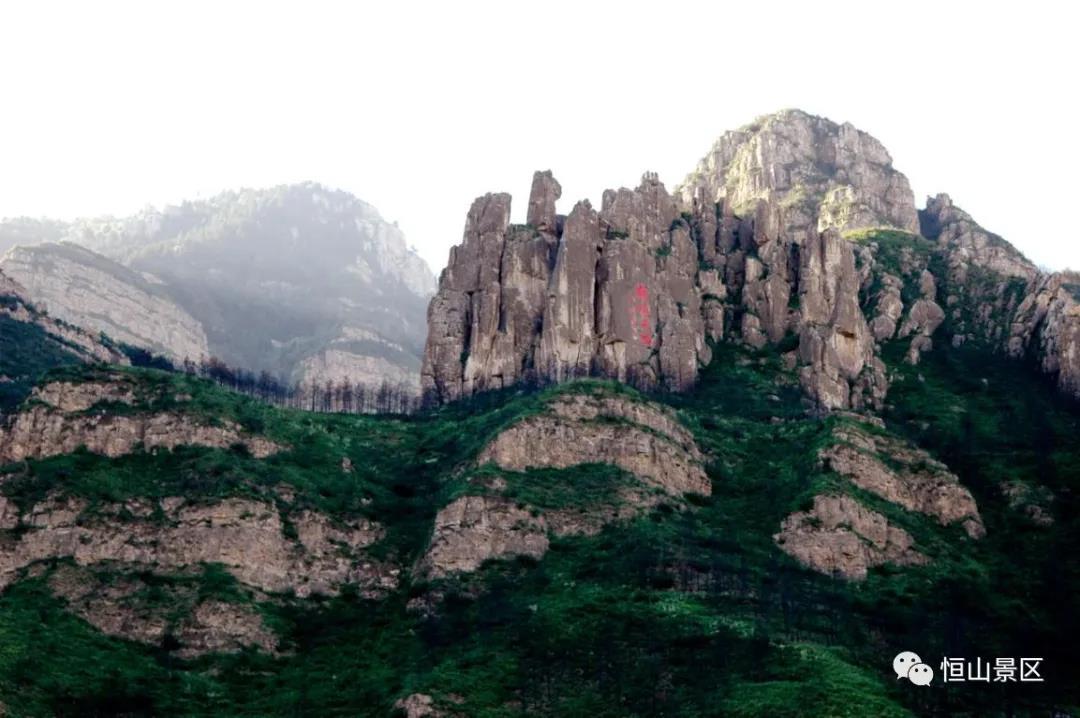
Our wise ancestors connected reading extensively with traveling widely, often gaining insights from their journeys. May your walk through Hengshan Mountain bring you insights and inspiration.
Keywords:
Hengshan
Related News
Contact Us
Beiyue Hengshan Scenic Area:
Travel Inquiry:+86-352-8333077
Ticket Inquiry:+86-352-8333031
Travel Complaints:+86-352-8333081
Emergency Rescue:+86-352-8333037
Scenic Area Product After-Sales Service Hotline:
+86-18636203837
+86-15383522518
Mount Hengshan Scenic Area Administration Center (Official)
+86-352-8322142
Hanging Temple
+86-352-8327795
Yuemenwan (Hengshan Mountain Gate)
+86-352-8480060 +86-352-8328318 +86-352-8328530
Hengzong
+86-352-8480115
Tianfeng Ridge
+86-352-8480114
Yong'an Temple
+86-352-8322390
Li's Family Cemetery
+86-352-8322381
Hengshan Cableway
+86-352-8322255
Official Media

Tiktok