

-
AboutMount Heng, an outstanding representative of the splendid mountains and rivers of China, a symbol of national prosperity, a totem of national spirit, an important geographical indication of the country, and holds the status of a national mountain.More
-
CultureHengshan has been a famous scenic spot and important birthplace of Taoism in northern China since ancient times. Carrying the symbols of Chinese civilization, it has nurtured profound regional culture and folk customs.More
-
-
Tourist GuideUnderstand relevant information about the scenic area and enjoy a better travel experience.More
-
Surrounding activitiesThe ancient city of Hunyuan at the foot of Mount Heng in Beiyue has a long history, rich cultural heritage, beautiful scenery, and a convergence of agriculture, commerce, and animal husbandry. It has nurtured a unique regional culture and is renowned for its fine wine and delicious food.More
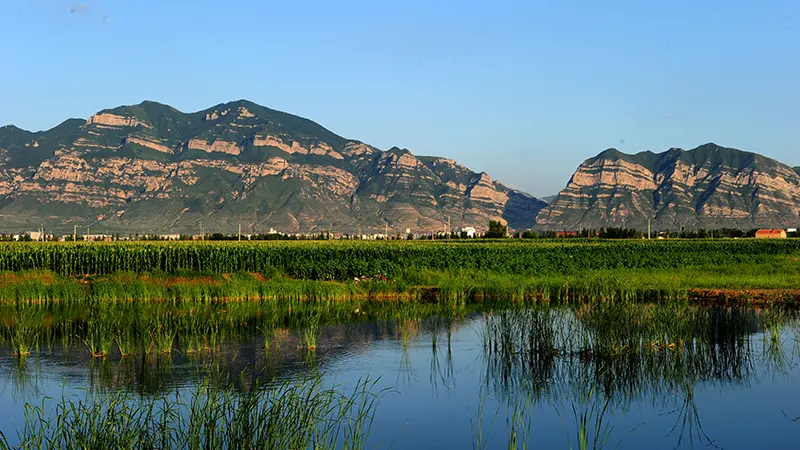

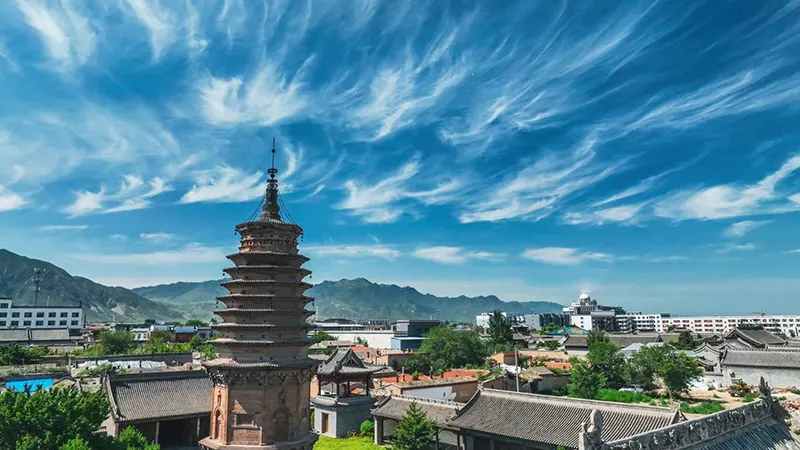
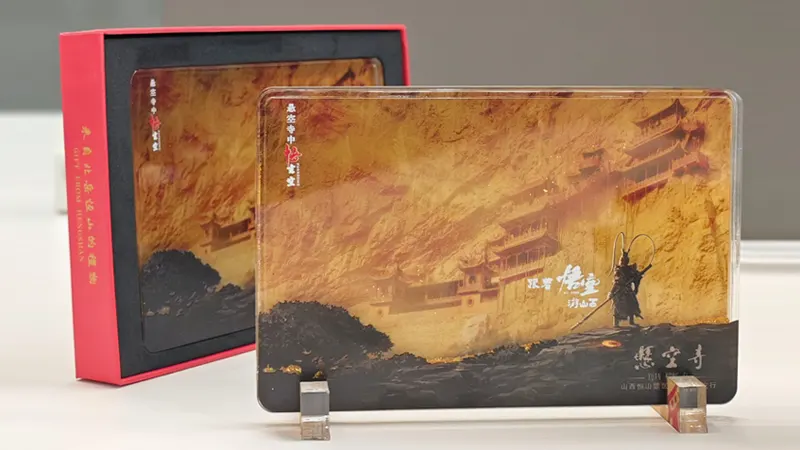
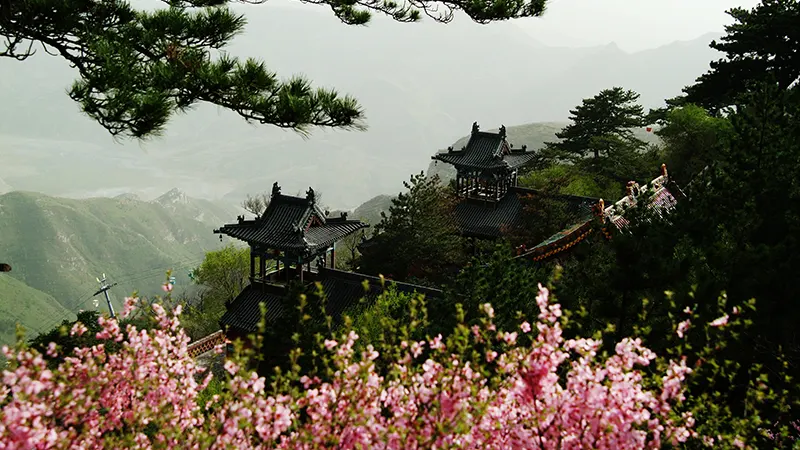
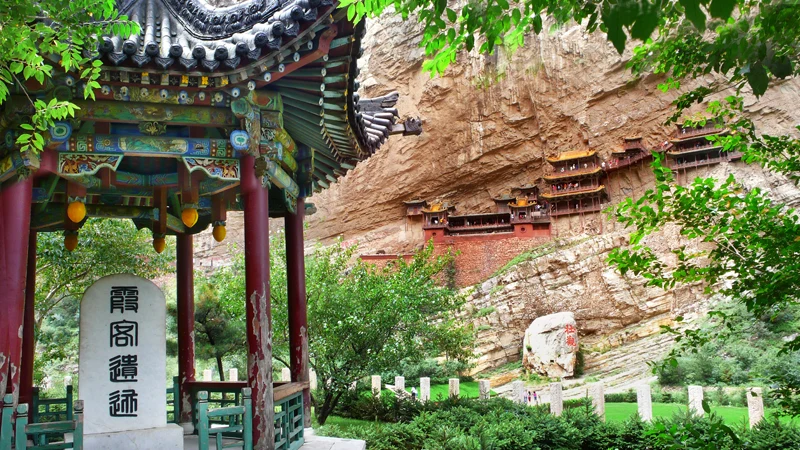
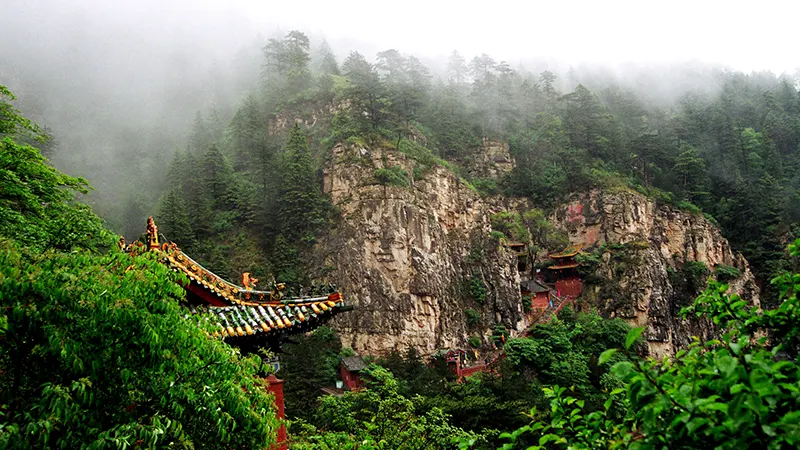
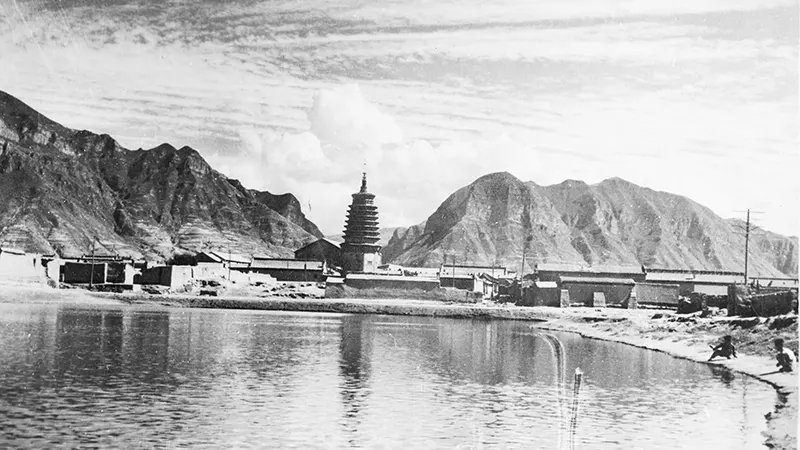
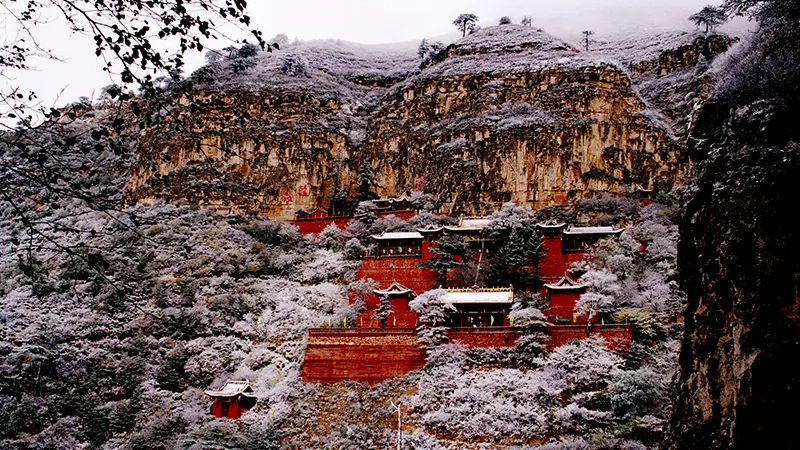
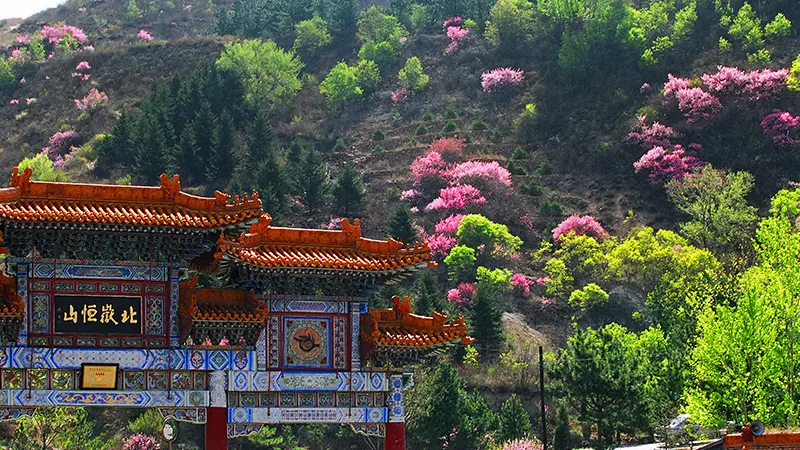
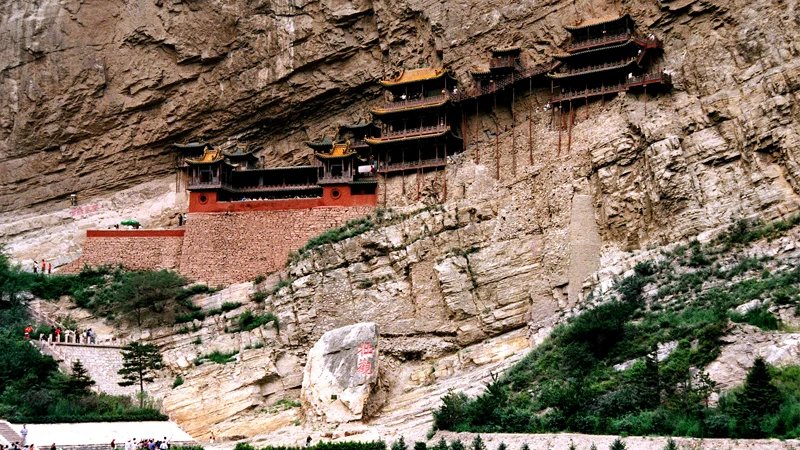
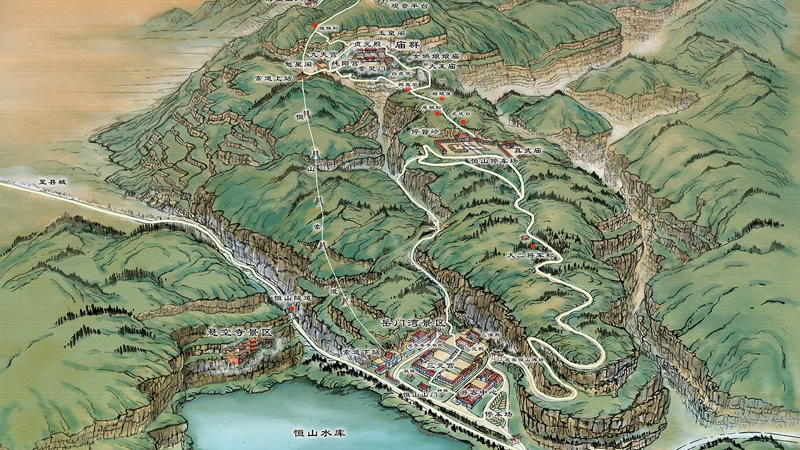





Kui Xing dian dou, du zhan ao tou! (This is a Chinese idiom, literally meaning 'Kui Xing (a star god) points at the dipper, and alone occupies the top of the dragon's gate'. It's used to celebrate someone's success in exams, especially achieving top rank.)
Publish Time:
2023-06-09 10:17
Source:
It's exam season again. Hengshan Mountain Scenic Area wishes all students success, hoping you will write brilliantly, achieve your wishes, leap the dragon gate, succeed in the exams, and have all your wishes come true!
Why is the Gaokao (National College Entrance Examination) always scheduled for June 7th and 8th?
Because the numbers sound like "lùqǐba" (be admitted)!
It's exam season again
Hengshan Mountain Scenic Area wishes all students
brilliant writing, wishes fulfilled
leaping the dragon gate, achieving success in the imperial examinations
Wishing for success in the exam!

As a famous Taoist mountain,
Hengshan Mountain enshrines many deities, including celestial and earthly immortals,
Kui Xing is one of them.

Hengshan Mountain Kui Xing Pavilion
In folklore, Kui Xing was a scholar. He was extremely ugly, with a pockmarked face, a limp, and was even mocked by frivolous literati with satirical poems.
But despite his ugliness, Kui Xing was very talented and eventually topped the examinations. During the palace examination, the emperor asked him why his face was so pockmarked, and he replied, "A face full of stars." The emperor then asked why he limped, and he answered, "Hopping on one leg over the Dragon Gate." The emperor was very pleased and personally appointed him as the top scholar.
Kui Xing's image incorporates the meaning of "Kui Xing points to the constellations, occupying the top spot," symbolizing candidates passing the examination.
After the Tang and Song dynasties, dragons and mythical sea creatures were carved on the stone slabs in the middle of the steps of the imperial palace. Successful candidates would stand on the steps to receive their rankings, with the top scholar standing on the sea creature, thus giving rise to the saying "occupying the top spot."

Hengshan Mountain Kui Xing
The Kui Xing statue in the Hengshan Mountain Kui Xing Pavilion is depicted as a grotesque figure. People interpreted the character "Kui" (魁) as a combination of "ghost" (鬼) and "constellation" (斗), and thus Kui Xing's image became "a ghost's foot turning right, as if kicking the Big Dipper.". The typical image of Kui Xing is: a red-haired, blue-faced ghost standing on a sea creature, kicking one leg back like a large hook, holding a dipper in one hand and a brush in the other (this symbolizes using the brush to circle the names of the successful candidates).

Hun Yuan Wenmiao Wenchang Pavilion
In Hun Yuan County, at the foot of Hengshan Mountain,
lies the Hun Yuan Wenmiao (Confucian Temple), a nationally protected key cultural relic site.
Inside the temple is the Wenchang Pavilion, with two floors,
the lower floor enshrines both the Wenchang Emperor and Kui Xing simultaneously,
which is rare in China.

Hun Yuan Wenmiao Kui Xing
The Kui Xing statue in the temple is made of sunken wood,
completely black, with a stone-like texture,
the carving is meticulous and exquisite,
combining the elegance of wood with the charm of stone.
Furthermore, the formation of sunken wood takes thousands of years,
its preciousness is self-evident.
The starlight doesn't ask the hurried traveler, and time doesn't fail those who are dedicated. May your results illuminate the entire summer, and then, carrying your hopes, go to see the scenery you have never seen before.
Keywords:
Hengshan
Previous Page
Related News
Contact Us
Beiyue Hengshan Scenic Area:
Travel Inquiry:+86-352-8333077
Ticket Inquiry:+86-352-8333031
Travel Complaints:+86-352-8333081
Emergency Rescue:+86-352-8333037
Scenic Area Product After-Sales Service Hotline:
+86-18636203837
+86-15383522518
Mount Hengshan Scenic Area Administration Center (Official)
+86-352-8322142
Hanging Temple
+86-352-8327795
Yuemenwan (Hengshan Mountain Gate)
+86-352-8480060 +86-352-8328318 +86-352-8328530
Hengzong
+86-352-8480115
Tianfeng Ridge
+86-352-8480114
Yong'an Temple
+86-352-8322390
Li's Family Cemetery
+86-352-8322381
Hengshan Cableway
+86-352-8322255
Official Media

Tiktok